Autumn Grain Harvest in Hebei on Track for Bumper Yield with Smart‑farming Support
According to Xinhua News Agency, vast farmlands across Hebei province are poised for large‑scale autumn‑grain harvesting. Sufficient sunshine and suitable soil moisture have prevailed since the sowing of this season’s crops. With key agronomic measures fully put into place, pest and disease pressures remain generally mild, and crop growth conditions stay favourable across the whole region.
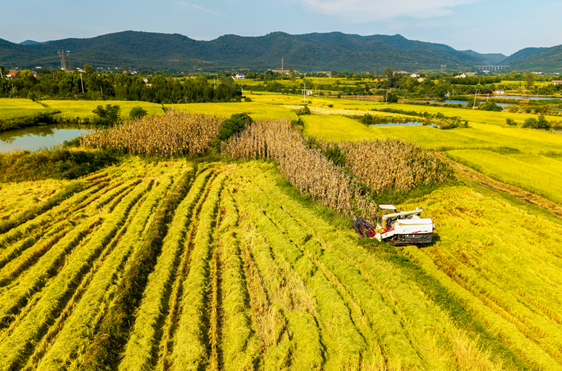
On 20 September, sturdy maize plants with well‑filled cobs stretch across farm fields in Dabeiwang Town, Yongnian District, Handan. Preparatory work is well underway ahead of the forthcoming harvest period. Local farming operators are getting ready to bring in crops from their fields. Across Handan city, field‑side monitoring and machinery maintenance have been carried out continuously.
Local authorities are co‑ordinating assignments for agricultural machinery co‑operatives and large‑scale farming households, with formal operational contracts signed. Combine harvesters, tractors and seed‑sowing equipment are being organised to run harvesting and post‑harvest sowing tasks in an orderly fashion.
Additional tracked harvesters and water‑drainage machinery are being stockpiled, so that farm produce can still be gathered thoroughly should spells of continuous rainy weather arrive.
Autumn grain output forms the major share of Hebei’s overall grain production. Adequate light and thermal resources have sustained crop development after summer sowing. Daily sunshine duration has ranged from six to ten hours on average, with temperatures close to normal seasonal levels and few prolonged stretches of poor sunlight.
Multiple widespread rainfall events occurred from late June onwards, meeting the substantial water demands of summer‑sown crops during their reproductive growth phase. Alternating spells of sunshine and rain have helped plants to accumulate photosynthetic substances and maintain robust growth.
Local agricultural teams focus on raising per‑unit yields over extensive farm areas. High‑density high‑yield seed varieties, precise sowing, chemical lodging‑control measures, integrated water‑fertiliser management and multi‑purpose foliar spraying techniques are being widely rolled‑out to unlock further yield potential.
At the high‑standard maize demonstration plots in Dashizhuang Village, Xinji City, drones, field‑mounted surveillance cameras and soil‑moisture sensors feed real‑time data concerning soil humidity, seedling development, pest conditions and disaster risks directly to mobile‑phone devices held by farmers. Growers may dynamically adjust pesticide formulations and spraying coverage.
Combined with wide‑narrow row planting layouts and intelligent drip‑irrigation systems for water‑fertiliser supply, field management is shifting away from empirical judgement towards data‑driven operation.
Plant protection and disease surveillance work stands central to stable grain yields. Provincial plant‑protection services carry out on‑site surveys targeting major threats including southern corn rust, ear rot, cotton bollworm, European corn‑borer and army‑worm. Technical training sessions and printed guidance materials are distributed across rural areas, expanding the reach of on‑site technical services.
Harvest scheduling will align real‑time meteorological readings with crop ripening progress. Agricultural machinery will be deployed on a broader scale to expand mechanised harvesting coverage and curb grain losses during reaping. Emergency reserves of water‑extraction pumps, tracked harvesters and mobile grain‑drying installations remain ready, to secure every last grain from farmland into storage.
热门内容推荐