China builds low‑carbon ship capacity to support global maritime decarbonisation
Shipping carries more than 80 per cent of the world’s traded goods by volume and contributes roughly 3 per cent of anthropogenic greenhouse‑gas emissions. Against global climate‑action consensus, emissions reduction has become an unavoidable priority for the maritime sector’s green transition.
Journalists visited multiple shipyards and research institutes across Shanghai, Xiamen and Qingdao as part of China State Shipbuilding Corporation’s 2026 State‑owned Enterprise Open‑Day event, observing practical innovation across China’s shipbuilding industry for low‑carbon development.
Along the Yangtze River, China’s second domestically built large cruise vessel, Adora Flora City, is undergoing intensive outfitting and commissioning ahead of its scheduled November delivery. Compared with its predecessor Adora Magic City, the vessel is fitted with two additional desulphurisation units and five selective catalytic reduction systems to improve environmental performance. Comprehensive records of on‑board carbon emissions will feed into full‑vessel carbon‑footprint accounting, supplying reference data for domestic low‑carbon standards within the cruise‑ship segment.
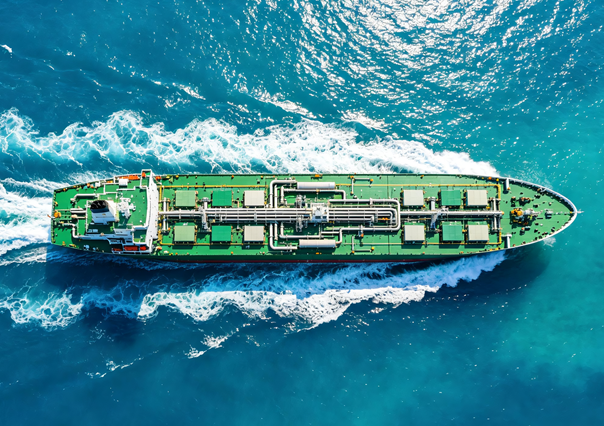
A 210 000‑tonne ammonia‑fuelled dual‑fuel bulk carrier, nearing hand‑over from CSSC Qingdao Beihai Shipbuilding Heavy Industry, is engineered for near‑zero‑carbon operations despite its substantial displacement. Near‑zero emissions represent an ultimate objective for maritime green transformation. Ship‑owners worldwide are accelerating adoption of clean energy sources, with liquefied natural gas, methanol and ammonia emerging as key alternative‑fuel pathways for new‑build tonnage.
Purpose‑built ammonia‑fuel main engines and fuel‑supply systems equip the bulk carrier. A full tank of ammonia enables near‑zero‑carbon performance for a single voyage from Qingdao to Brazil or a return voyage between Qingdao and Australia. Shipyards have developed a portfolio of vessel designs compatible with ammonia, liquefied natural gas, methanol and ethanol fuels. Green‑tonnage orders account for more than 80 per cent of the current order‑book, with some deliveries scheduled as far ahead as 2031.
Research institutes under China State Shipbuilding Corporation deliver specialised new‑energy marine technology solutions across vessel categories. High‑energy‑density lithium‑battery systems, intelligent direct‑current power networks, safety‑oriented energy‑management platforms and efficient charging hardware have been developed in‑house. Printed‑circuit‑board heat exchangers manufactured using micro‑channel diffusion‑bonding technology achieve heat‑transfer efficiency six to ten times higher than conventional shell‑and‑tube equipment.
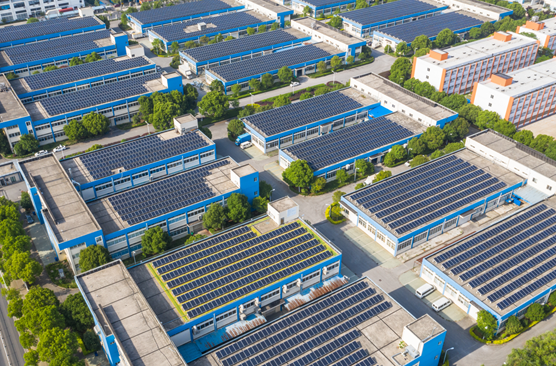
Green transformation extends beyond finished‑vessel specifications into every phase of manufacturing operations. An energy‑carbon management centre commenced operation earlier this year at Shanghai Waigaoqiao Shipbuilding, creating a plant‑wide digital oversight framework for utilities including water, electricity and gas. Digital controls strengthen end‑to‑end energy governance and carbon‑management performance. Distributed photovoltaic arrays cover large areas of factory rooftops at Qingdao Beihai Shipbuilding Heavy Industry. Once the third‑phase installation reaches full grid‑connection, the facility will generate more than 26 million kilowatt‑hours of electricity each year, cutting consumption of standard coal by 3 210 tonnes.
Advances in individual vessels reflect broad‑based upgrading across the whole ship‑building industrial complex. Sustained breakthroughs in core technologies will furnish further reliable Chinese‑developed technical options for global shipping’s progress towards a zero‑carbon operating model.
热门内容推荐