Breakthrough field‑trials for alpine mine restoration on Qinghai‑Tibet Plateau
Field trials for high‑altitude mine ecological restoration, led by Chalco Environmental, have been completed on the Qinghai‑Tibet Plateau, resolving long‑standing technical barriers to rehabilitating mine sites sitting close to 5,000 metres above sea‑level. The technology creates replicable models for ecologically fragile mining zones across the country.
Conditions across Ngari Prefecture in Xizang present extreme challenges, marked by low atmospheric pressure, oxygen scarcity, sharp diurnal temperature shifts, compacted infertile soils and severe wind erosion. Reliable long‑term restoration solutions for mines at such elevations have remained absent from industry practice. Dedicated research teams set up back in 2021 have carried out repeated field work on the plateau to tackle these practical obstacles.
Multiple soil‑improvement formulae have been trialled to counter poor soil quality typical of alpine mine land. After rounds of comparative testing, an eco‑friendly soil conditioning solution has been finalised to restructure soil texture and boost organic matter, laying sound groundwork for plant establishment. Researchers have built a specialised microbial resource bank, isolating strains resistant to cold conditions and heavy‑metal contamination. Three custom‑formulated microbial agents for plateau settings have been developed to revitalise degraded soil through biological remediation.
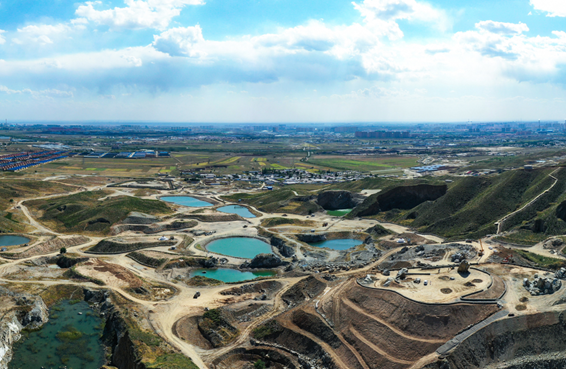
Local native plant resources form the core of vegetation‑recovery work. Five highly stress‑tolerant indigenous plant varieties have been domesticated and selected. Capable of surviving harsh plateau surroundings, these species propagate naturally without intensive maintenance and build stable plant communities to sustain long‑term greening within mine‑affected zones. Vegetation cover across trial restoration plots has risen from under 20 per cent to over 85 per cent. Plant height and density match levels seen on natural alpine meadows, whilst over‑winter survival rates hold steady above 95 per cent across four consecutive years.
Innovative water‑saving measures address chronic water scarcity. Wind‑solar hybrid intelligent irrigation equipment and optimised plateau‑adapted fog‑harvesting installations are deployed in tandem, making efficient use of scarce water resources available on‑site.
Technical outputs from these trials are set to feed into practical restoration schemes for further high‑elevation mine sites. Field performance data will continue to be gathered as projects roll out, refining implementation parameters for similar fragile mountain environments.
热门内容推荐