China’s vegetable sector matures as consumer demand shifts towards health, quality and variety
Since ancient times, vegetables have occupied a vital place within Chinese eating habits, rooted in the traditional maxim that “grains nourish, and vegetables supplement human diets”. Launched in the late 1980s, the nationwide Vegetable‑Basket Project has driven more than three decades of transformative growth across China’s vegetable industry. Cultivated vegetable acreage has surpassed 300 million mu, with annual output exceeding 800 million tonnes, accounting for more than half of global vegetable production. China holds its position as the world’s largest producer and consumer of vegetables. Retail outlets and fresh‑food markets across the country stock an extensive array of leafy, flowering, root, stem‑based and fruit‑bearing vegetables, making seasonal produce available all year round regardless of geographical boundaries.
Abundant supplies have enriched household dining tables and reshaped consumption attitudes. Health, quality and diversity stand out as three core drivers behind current vegetable purchasing patterns.
Health‑focused consumption takes precedence. The *Chinese Dietary Guidelines (2022)* advise adults to consume a minimum of 300 grams of fresh vegetables each day. The age‑old view that “one may go without meat, yet hardly without vegetables for a meal” gains wider public acceptance. Leafy vegetables secure the largest market share at 21.5 per cent, acting as a staple component on domestic dining tables. Tubers and rhizome vegetables register a 60.6 per cent year‑on‑year sales growth rate. Taro records a 268.1 per cent sales increase while sweet potatoes rise by 172.6 per cent. These figures reflect rising consumer demand for dietary fibre and naturally‑sourced nutrition.
Quality represents an evolving priority built upon health requirements. Steady improvements in food‑safety standards underpin better product quality. Figures released by the Ministry of Agriculture and Rural Affairs show routine monitoring for national agricultural product safety recorded a pass rate of 98.2 per cent in the first half of 2026, with vegetables once hitting a quarterly pass rate as high as 98.8 per cent. Growing numbers of shoppers are prepared to pay premium prices for organically‑grown produce, green‑certified goods and geographical‑indication labelled vegetables.
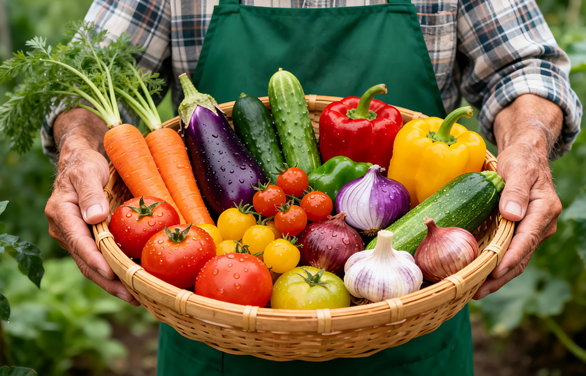
Diversity mirrors everyday aspirations for improved living standards. Regional tastes create distinct buying preferences across different parts of the country. Mushroom consumption, for instance, sees marked regional divergence. Beijing buyers favour the dense, soft texture of oyster mushrooms with a preference index of 234.9. Consumers in Guangdong value the rich umami of matsutake, scoring 406.2 on the preference index, while shoppers in Tianjin choose crisp‑textured king oyster mushrooms at an index reading of 300.0. Mushrooms register 42.8 per cent year‑on‑year sales growth, ranking third among vegetable categories and illustrating robust demand for diversified vegetable options.
Consumers now access produce grown thousands of kilometres away, shifting from eating whatever is locally available to choosing whichever varieties they prefer. This transformation stems from the distribution framework built up under the Vegetable‑Basket Project. Three interlinked pillars sustain the efficient operation of this supply network.
Nationwide distribution networks extend the geographical reach of vegetable trade. Direct sourcing from growing zones and mature cross‑regional transport arrangements enable regular north‑bound shipments of southern vegetables and south‑bound flows of northern produce. Households can readily access seasonal specialities originating from different agricultural regions across the country.
Cold‑chain infrastructure preserves freshness over long‑distance journeys. Pre‑cooling at harvest sites, refrigerated haulage and retail cold cabinets maintain low‑temperature conditions throughout the supply chain. This cuts post‑harvest losses and extends shelf‑life, so delicate leafy greens and fungi retain their flavour even after travelling vast distances.
Digital supply‑chain systems deliver more precise product matching. Big‑data tools forecast market demand and optimise logistical scheduling, creating intelligent links between growing areas and end‑consumers. Fewer intermediate stages raise operational responsiveness, supporting customised orders and instant retail consumption.
Further upgrades to transport links, cold‑chain hardware and digital supply‑chain tools will keep refining the whole sector. New consumer preferences will continue guiding production, certification and logistics adjustments within China’s vegetable industry.
This report draws on information published by the Ministry of Agriculture and Rural Affairs.
热门内容推荐