Smart Port Transformation Unfolds at Nansha Phase‑IV, a Benchmark for China’s Automated Shipping Infrastructure
According to Huanqiu.com, journalist groups under the multi‑media communication project *Observing China in the Opening‑Year: Unveiling Home‑grown Strength, Exploring Major National Equipment* have recently visited the fully‑automated Nansha Phase‑IV Terminal of Guangzhou Port.
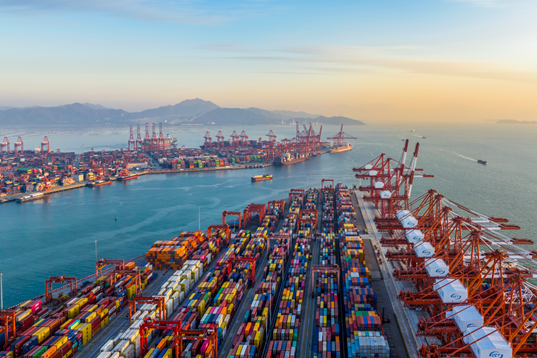
Within its sprawling operational zones, few traditional manual dock‑workers can be seen moving about. Quay cranes pick up shipping containers with pinpoint automatic precision, intelligent guided vehicles (IGVs) travel along pre‑set routes for autonomous transit, whilst rail‑mounted gantry cranes complete container stacking fluidly.
Every step of this workflow is co‑ordinated by a domestically‑developed system that integrates Beidou navigation, 5G communications and artificial intelligence. This quiet yet high‑performance operational scene stands as a vivid illustration of Chinese ports pursuing innovation and intelligent upgrading in the opening year of the 15th Five‑Year Plan.
Data released by the Ministry of Transport shows that more than 60 automated terminals have been completed across China. The country has secured world‑leading positions in scale, operational efficiency and technical capacity, completing a historic shift from following others’ progress to keeping pace and subsequently taking the lead in this sector.
By the end of the 15th Five‑Year Plan period, the number of China’s automated terminals is projected to exceed 90. Berths for vessels of 10,000‑tonne class and above will undergo further capacity expansion and quality improvement, and on‑site unmanned operations will largely be realised for core production links.
Such advances represent not only the transformation and upgrading of domestic port facilities, but also tangible progress towards the national strategy of building a powerful transport network.
Nansha Phase‑IV serves as a notable pioneering case amid this far‑reaching industrial shift. It ranks as the world’s first fully‑automated terminal designed for river‑sea‑rail intermodal transport, and also the first newly‑constructed all‑automated terminal within the Guangdong‑Hong Kong‑Macao Greater Bay Area.
Moving well beyond mere hardware upgrades, the terminal boasts an annual designed handling capacity of nearly five million TEUs, which facilitates smoother micro‑circulation of logistics covering inland river, maritime and railway transport modes.
Digital and intelligent advances in its intermodal transport framework bring direct logistics‑cost optimisation for tens of thousands of foreign‑trade enterprises across the region, and exert material influence over the efficiency and resilience of manufacturing supply chains throughout the Greater Bay Area.
The multi‑media initiative *Observing China in the Opening‑Year: Unveiling Home‑grown Strength, Exploring Major National Equipment* is guided by the Network Communication Bureau of the Central Cyberspace Affairs Commission, jointly hosted by [Huanqiu.com](https://Huanqiu.com) and the State‑owned Assets Supervision and Administration Commission’s News Centre, and receives support under the Positive Online Communication Special Fund operated by the China Internet Development Foundation.
热门内容推荐