Interprovincial Expressway Linking Jining and Shangqiu Fully Opens to Traffic
According to China Daily, a full opening ceremony for the Heze section of the Jining–Shangqiu Expressway was held on 30 July, with the whole route entering official operation from midnight on 31 July. Developed by China Energy Engineering Corporation’s Gezhouba Group, the motorway forms a vital segment of the Qingdao–Shangqiu Expressway outlined within Shandong’s 14th Five-Year Expressway Network Plan.
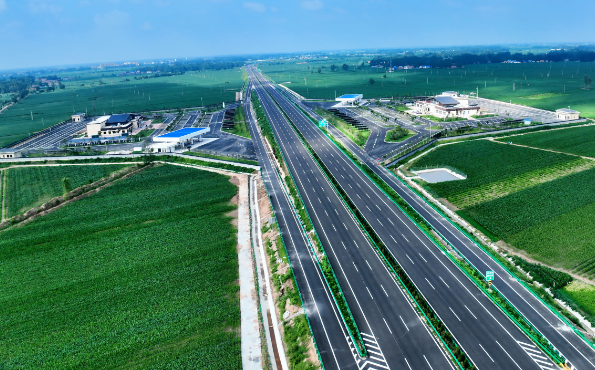
Stretching approximately 116 kilometres in total, the carriageway adopts a six-lane dual carriageway design with a maximum authorised speed of 120 kilometres per hour, creating a north-south artery connecting Jining in northern Shandong and Shangqiu across the provincial border in Henan. The construction project was split into two separate phases covering Jining and Heze territories; the Jining stretch commenced commercial operation back on 26 December 2025.
The newly operational Heze segment runs for 65.651 kilometres. Its eastern starting point lies at Baifutu Town in Chengwu County, while the western terminus sits at Chenzhuang Village in Caoxian County. A major interchange hub at Nan Wulou connects the route to the G35 Jinan–Guangzhou Expressway, expanding access to national trunk road networks.
Journey times between Jining and Shangqiu drop from two and a half hours to one and a half hours following the full opening of the through route. The upgraded transport corridor delivers a streamlined logistics channel bridging the Jiaodong Peninsula Economic Circle, Southern Shandong Economic Circle and Central Plains Economic Zone.
Local agricultural and manufacturing supply chains stand to gain substantial operational improvements. Cold-chain transit windows for regional special produce including garlic, leaf vegetables and asparagus shrink markedly, cutting transit losses and broadening market reach for rural producers. The expanded highway network also lowers overall haulage costs for industrial goods circulating between eastern coastal industrial hubs and inland central plains markets.
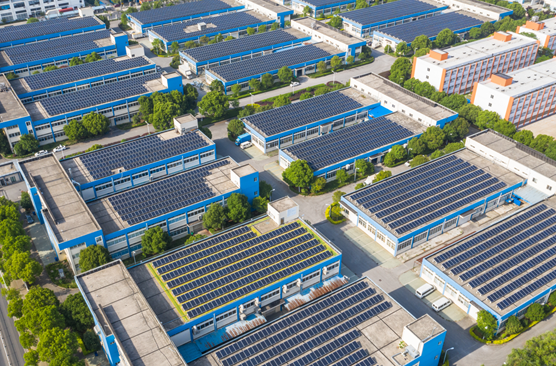
Additional infrastructure upgrades are set to roll out across the route’s service areas over the coming months, including fully self-sufficient clean energy power supply systems and solid waste recycling facilities embedded within the motorway’s operational framework. Further interchanges and connecting feeder roads will be constructed to strengthen links with county-level townships and rural industrial clusters along the full length of the expressway.
热门内容推荐