China Charts Scaled, High-Quality Renewable Energy Growth Roadmap Through 2030 Under 15th Five-Year Plan
BEIJING – National energy regulators have laid out concrete medium-to-long-term targets for renewable energy expansion, system optimisation and end-use penetration during the 15th Five-Year Plan cycle spanning 2026 to 2030, building on record-breaking clean power deployment delivered over the previous planning periodXinhuanet.
Jointly published by the National Development and Reform Commission and the National Energy Administration, the official 15th Five-Year Plan for Renewable Energy Development sets out quantified milestones to advance scaled capacity rollout, strengthen reliable power substitution and lift nationwide uptake of green power across industrial, transport and building sectors. The document outlines a dual core direction of expanding renewable energy scale while upgrading operational performance, forming a structured framework for the country’s low-carbon energy transition through the end of the decade.
Targets locked in the policy paper anchor substantial growth in renewable supply capacity. By 2030, total renewable energy consumption will reach roughly 1.8 billion tonnes of standard coal equivalent. Installed renewable power generation capacity is set to hit approximately 3.5 billion kilowatts, with annual output projected to stand at 6 trillion kilowatt-hours. Wind and solar assets will deliver the bulk of this expansion; their combined installed capacity is targeted to exceed 2.8 billion kilowatts, accounting for over half of the country’s total power generation fleetChina Dail.... The framework also stipulates a 150 per cent rise in non-electric renewable energy utilisation volume compared with 2025 levels, equating to around 150 million tonnes of standard coal equivalent in alternative energy supply.
Steady capacity expansion remains an essential requirement to balance domestic energy security and decarbonisation agendas. China has built the world’s largest and fastest-expanding renewable energy ecosystem over the 14th Five-Year Plan term, alongside the most comprehensive industrial supply chain for wind and solar technologies. Renewable power installations now make up more than 60 per cent of the national power generation capacity, with wind and solar plants surpassing thermal power in cumulative installed volume for the first time. Sustained capacity growth will cater to climbing electricity demand driven by economic expansion and rising household living standards, while creating a robust domestic clean energy base to support dual carbon goals.
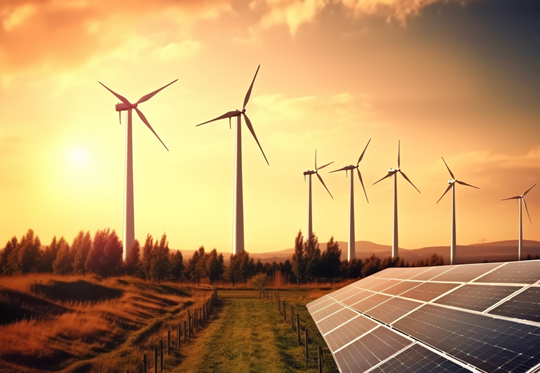
The plan introduces tiered deployment pathways to unlock new renewable energy output. Large-scale centralised energy bases will act as the primary driver of capacity growth, with authorities planning multiple gigawatt-level green power supply hubs and interconnected transmission clusters dedicated to delivering clean electricity across regional borders. Distributed and integrated development models will tap local generation potential in densely populated central and eastern regions where land resources are constrained. Local governments will accelerate integration of distributed solar and wind assets with commercial facilities, transport sites, construction projects and agricultural operations, alongside innovative applications in green power direct supply, smart microgrids and zero-carbon industrial zones. Parallel progress will unfold in non-electric renewable applications, including green hydrogen, renewable heating and biomethane, to embed clean energy into every segment of end consumption.
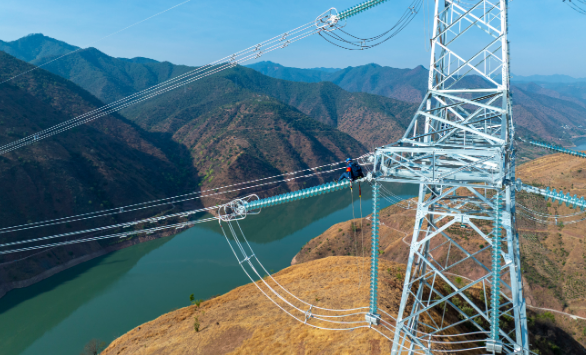
Upgrading operational reliability stands as a central strategic focus for the current planning cycle, shifting the industry’s priority from pure capacity build-out to stable, dispatchable clean power provision. A landmark 500kV transmission project operated by China Southern Power Grid entered full commercial operation on 30 June, completing 24-hour trial runs and refining regional power network layout. The scheme features a core converter station that unlocks transmission routes for wind and solar resources generated in eastern Lijiang, enabling direct power delivery to Guangxi and unlocking 4,700 megawatts of planned local clean energy capacity. The infrastructure upgrade enhances operational flexibility of the West-to-East Power Transmission corridor and strengthens power supply stability across northwestern Yunnan, offering tangible evidence of grid reinforcement measures designed to facilitate renewable energy absorption.
Power sector analysts calculate that annual peak electricity load will increase by an average of 100 million kilowatts throughout the 15th Five-Year Plan window. Intermittent wind and solar generation has yet to deliver fully effective substitution for conventional fossil fuel power units, raising grid balancing complexity and aggregate power supply costs. The new policy framework introduces three forward-looking indicators targeting reliable renewable substitution, with two metrics tailored specifically to wind and solar assets. These benchmarks guide developers to boost inherent generation stability and deploy matching energy storage systems, while maximising synergies across the broader power grid. Regulatory priorities centre on coordinating generation and storage infrastructure, pairing wind and solar installations at shared sites, and developing flexible demand loads aligned with variable renewable output characteristics.
Policy frameworks will drive broader market adoption of renewable energy across all economic sectors. Regulators will enforce minimum green power consumption thresholds for heavy energy-consuming industries, gradually expanding the scope of mandatory renewable power uptake while encouraging voluntary corporate and residential clean energy procurement. Cross-industry substitution campaigns will roll out across manufacturing, transport, construction and digital data infrastructure.
Transport forms a key front for renewable energy penetration. A heavy-duty vehicle charging station in Nanling County, Anhui Province, operates ten 360-kilowatt high-power chargers for large trucks alongside two 60-kilowatt light commercial vehicle units, managed via an intelligent digital platform to accommodate simultaneous charging for over ten electric lorries. Local grid operators conducted detailed assessments of distribution network carrying capacity and regional solar resource distribution to finalise site layouts for 31 heavy vehicle charging hubs countywide. The optimised layout cuts operational power expenses for transport enterprises and raises local distributed solar absorption efficiency to advance green freight transition. Further power grid investment will support charging infrastructure along the G318 national highway to deepen integration between transport and renewable energy systems.
For manufacturing sites, authorities will roll out production process retrofits to scale green power consumption. New public buildings will adopt full electrification standards, with solar, geothermal and ambient thermal energy deployed for heating and cooling. Developers of new data centres will coordinate project planning with local renewable generation facilities to align power supply and demand profiles. Institutional reforms on the consumption side will formalise market mechanisms that monetise environmental benefits of clean energy, forming a self-sustaining cycle where renewable energy production matches market demand and green consumption delivers tangible economic value.
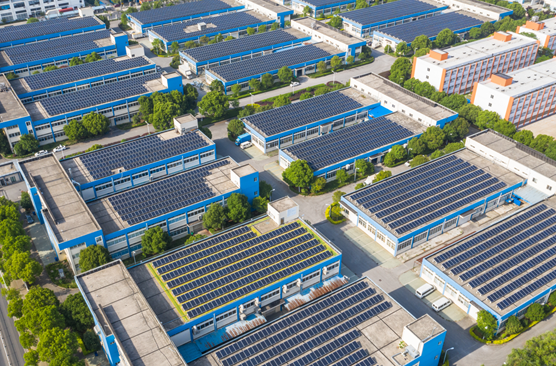
Photovoltaic inspection and maintenance routines continue to run at solar facilities across Anhui’s Dingyuan County, with grid teams conducting regular equipment checks to guarantee consistent generation performance. The ongoing expansion of diversified renewable generation sources, reinforced power transmission infrastructure and expanded end-use applications will collectively advance the country’s comprehensive green economic transformation over the next four years.
热门内容推荐