Inner Mongolia rolls out multi‑layer power‑security system for China’s summer peak‑demand period
Summer heatwaves are spreading across China, driving concurrent rises in power consumption for industrial output, agricultural irrigation and household use. National peak‑power demand is projected to hit roughly 1 600 GW this summer, around 90 GW higher than the equivalent period last year. As a key national energy‑supply hub, Inner Mongolia Autonomous Region balances secure energy provision and low‑carbon transition, putting in place a multi‑dimensional power‑security framework underpinned by coal‑fired generation, new‑energy output, energy‑storage peak‑shaving and well‑connected transmission networks.
Coal‑fired capacity forms the bedrock of local power reliability. Ordos stands as a major coal‑supply base for national summer power requirements. Local authorities run a daily coal‑production and‑sales scheduling system via smart‑energy platforms, monitoring output, stockpiles and sales volumes in real time. Daily coal output across Ordos holds steady at roughly 2.5 million tonnes, and major coal‑fired power plants maintain coal stockpiles sufficient for more than fifteen days of operation.
Large‑scale integrated‑energy operators in Inner Mongolia combine coal‑fired assets with wind and solar installations. Thermal generating units are deployed to ramp up output as photovoltaic generation tapers off in late afternoons, offsetting solar‑power decline to maintain consistent electricity supply. Regional energy authorities co‑ordinate output across coal‑producing cities and banners. Inner Mongolia undertakes 783 million tonnes of medium‑ and long‑term coal‑supply contracts for power generation in 2026. Operating coal mines deliver an annual capacity of 1 225 million tonnes, with daily output stabilising around 3.3 million tonnes since May. Regulators enforce contract compliance targets for summer months, while seven new coal‑fired generating units totalling 2.72 GW are set to come online before peak‑demand spells to lift peak‑generation capability.

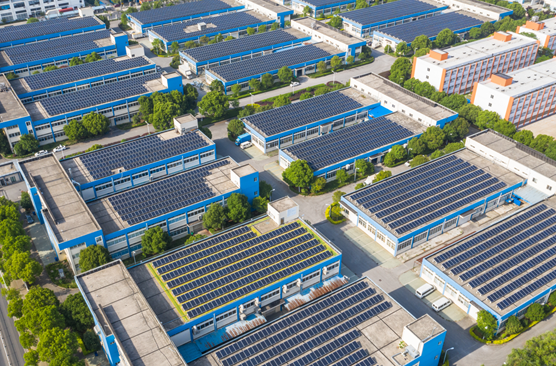
Renewable‑energy potential is being unlocked to reinforce summer power supplies. Wind and photovoltaic output fluctuates amid variable summer weather, creating operational challenges for grid stability. Inner Mongolia deploys new‑energy storage facilities, equipment retrofits and intelligent dispatching to enlarge the role of clean power during peak‑load periods. State Grid Mengdong Electric Power brings 5.74 GW of new‑style energy‑storage assets into peak‑shaving operations under a “charge‑low‑discharge‑high” operating model. These storage resources have delivered peak‑time discharge on more than ten occasions since the start of summer, closing short‑term power gaps. Revised market‑trading rules further tap grid‑regulation capacity by enabling storage units to take part in frequency‑adjustment services.
By the end of May 2026, Inner Mongolia’s total installed new‑energy capacity reached 176 GW, accounting for 57.5 per cent of the region’s overall power‑generation fleet. Operational new‑energy‑storage installations stand at approximately 22 GW. The Mengxi and Mengdong power grids adopt a hybrid operating mode combining independent local operation and cross‑regional emergency dispatching. Storage assets absorb surplus solar power during daytime high‑output hours and release electricity at evening demand peaks, while coal‑fired and gas‑fired plants provide supplementary generation to smooth variable renewable‑energy flows. Emergency‑response protocols are ready for compound extreme‑weather scenarios, with market‑oriented peak‑load reduction and targeted load‑management measures available as contingency options.
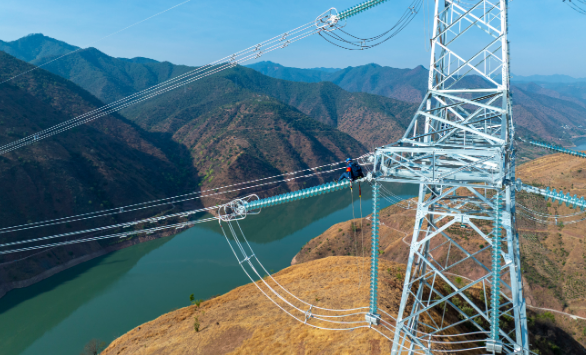
Inter‑provincial transmission corridors deliver power across provincial boundaries. Five ultra‑high‑voltage routes and eighteen 500‑kilovolt transmission lines support a cross‑regional delivery capacity of 75 GW, feeding power‑hungry northern and eastern‑China regions. Cumulative electricity transmitted via Inner Mongolia’s ultra‑high‑voltage grid exceeded 910 billion kWh by the end of May, marking eight consecutive years of growth. First‑quarter ultra‑high‑voltage outbound deliveries totalled 46.035 billion kWh, a 6.67 per‑cent year‑on‑year increase.
Transmission‑station staff maintain round‑the‑clock on‑site oversight over core corridors and converter stations working close to operational limits in summer. Joint emergency‑response mechanisms are established with local fire‑service, police and power‑generation operators, with repair crews and material reserves pre‑positioned for rapid fault resolution. Xilingol League leverages its “two alternating‑current, one direct‑current” ultra‑high‑voltage routes to co‑ordinate multi‑source outbound power flows and lift the share of exported green electricity through innovative cross‑provincial trading arrangements.
Twenty 500‑kilovolt grid projects under construction across Inner Mongolia are scheduled for commissioning within the calendar year to upgrade grid frameworks and strengthen new‑energy collection and transmission capabilities. Provincial‑level power‑market mechanisms facilitate wider‑geography resource optimisation and national‑scale consumption of renewable power. Regulators co‑ordinate grid‑ and generation‑sector stakeholders to accelerate grid connection for coal‑fired, renewable‑energy and storage assets. New coal‑fired generating units and multiple 500‑kilovolt transmission‑transformation projects will go live through the summer peak‑demand window, reinforcing grid resilience and safeguarding reliable power supply for residential and commercial end‑users.
热门内容推荐