Beijing Hosts 2026 Sino-Sudanese Trade Forum, Touting Wide Investment Scope
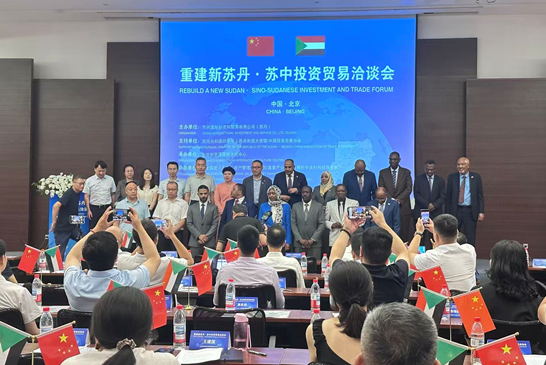
BEIJING, Aug. 6 (CM) --The "Rebuild a New Sudan – Sino-Sudanese Investment and Trade Forum" took place in Beijing on July 31. The event built a specialized platform for economic and trade matchmaking between China and Sudan, featuring targeted investment promotion focusing on three pillar industries: energy, mining and agriculture. A host of Chinese enterprises engaged in energy exploitation, mineral metallurgy, modern agriculture, infrastructure and other sectors attended the forum, engaging in in-depth exchanges on two-way investment, industrial chain localization and expansion of regional trade.
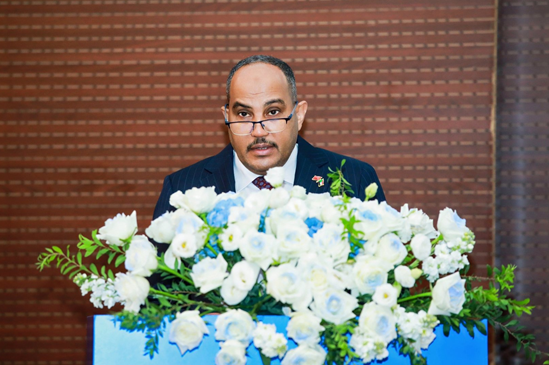
His Excellency Omar Issa Ahmed, Ambassador of Sudan to China, delivered an address at the forum. He stated that Sudan is currently in a critical phase of economic reconstruction, with an urgent need for foreign capital, advanced technologies and complete industrial chains to drive its development. China and Sudan have long maintained stable and friendly economic and trade partnership. Chinese enterprises boast proven expertise in resource exploitation, factory construction and deep processing of agricultural products, which perfectly align with Sudan’s development priorities. Sudan has continuously improved its business environment for foreign investors by rolling out a package of supportive policies including tariff reductions, exclusive supporting facilities and negotiations for free trade zones. The country has streamlined project approval procedures and fully safeguards the legitimate business rights and interests of foreign investors, extending a sincere welcome to Chinese companies to conduct field inspections and set up operations in Sudan.
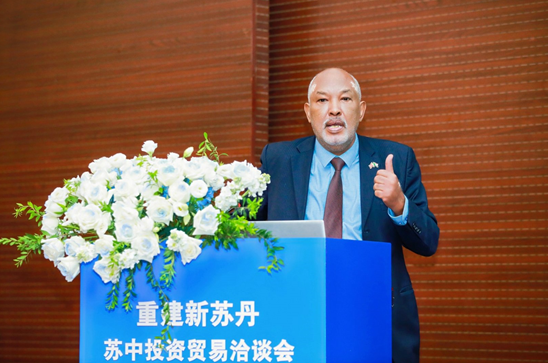
Mr. Adel Osman, Representative of Khartoum Refinery Beijing Office, gave a presentation on investment prospects in the oil and gas sector. He introduced that the petroleum industry serves as the backbone of Sudan’s economy. Despite shifts in resource distribution following regional separation, numerous unexplored blocks remain untapped within the country, with considerable potential for boosting output at mature oilfields and comprehensive utilization of associated gas. Sudan features a full-fledged upstream and downstream oil and gas industrial ecosystem. Upstream cooperation covers block exploration and output enhancement of ageing oilfields, while downstream development prioritizes new coastal integrated refining and chemical complexes, which can supply refined oil products to multiple East African markets via Red Sea shipping routes. Local supporting infrastructure including crude oil pipelines, centralized processing stations, storage and wharf terminals is fully established. Standardized health, safety and environmental (HSE) management systems are in place alongside community livelihood support frameworks. Investors may participate in project development through diverse models such as production sharing and equity cooperation.
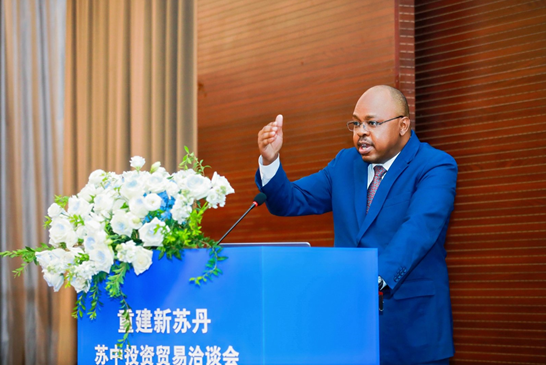
Muhammad Hassan Ali, Minister Counsellor of the Sudanese Embassy in China, elaborated on cooperation potential in domestic mineral development. He pointed out that Sudan boasts favorable geological conditions and abundant reserves of gold, base metals and industrial non-metallic minerals, ranking it among Africa’s key mineral resource-rich nations. Local mining investment regulations are foreign-investor friendly, offering long-term renewable licenses and allowing foreign investors to hold majority equity in projects. Exploration expenditures are eligible for cost recovery under relevant policies, and national geological authorities provide complete foundational exploration data. Chinese partners are granted full access to the entire industrial chain, ranging from large-scale gold mining and metal mineral processing to industrial development of construction minerals like marble and silica sand. Enterprises from multiple countries have already launched successful mining projects in Sudan, offering replicable cooperation models.
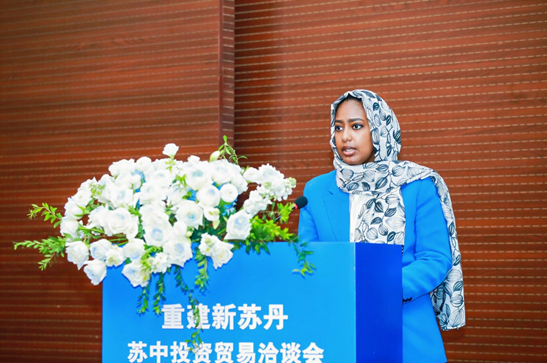
Aza Azrig, First Secretary of the Sudanese Embassy in China, highlighted full industrial chain cooperation opportunities in agriculture and forestry. She noted that Sudan is endowed with abundant land, water and livestock resources, and its climate is suitable for cultivating a wide range of crops. Thanks to its geographic proximity to Red Sea shipping lanes, Sudan can easily access large food consumption markets across the Middle East. Four core cooperation areas include cotton, oil-bearing crops, large-scale animal husbandry and deep grain processing, with investment opportunities also available in supporting sectors such as agricultural machinery, cold-chain warehousing, biofuels and refined food manufacturing. Sudan enjoys competitive land and labor costs, and supports Chinese investors in building integrated agricultural parks combining planting, breeding and processing, which can expand cross-border agricultural trade under regional free trade agreements. Streamlined approval procedures and full implementation of preferential investment policies will foster a new landscape of long-term, stable investment cooperation between China and Sudan.
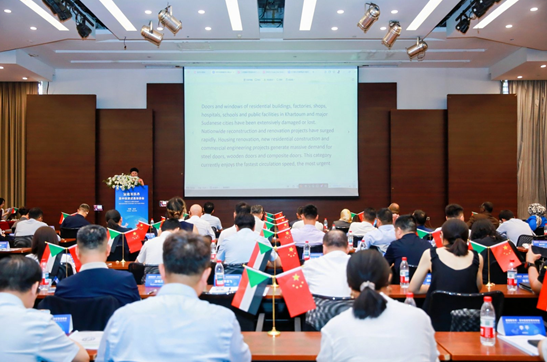
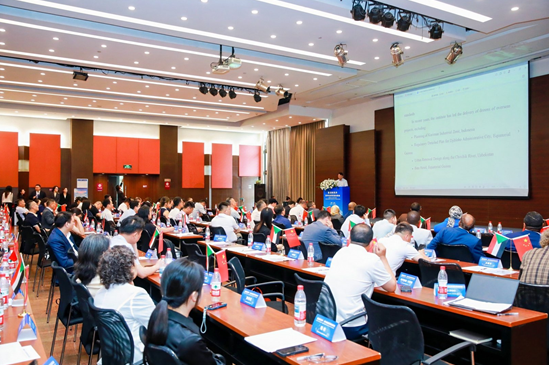
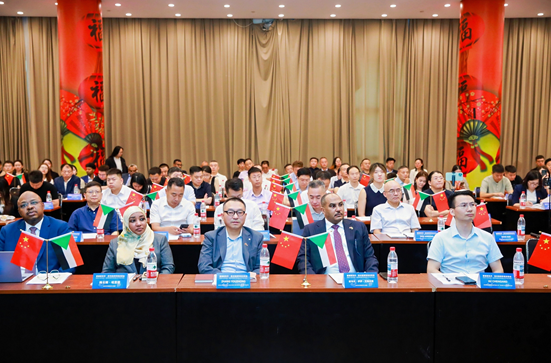
As reported by on-site media, there was broad consensus among participants that Sudan is fast becoming one of Africa’s most attractive investment hotspots, buoyed by its rich natural endowments and a steadily liberalizing business climate. Breaking down industrial information barriers between the two sides, the forum created an efficient and direct communication channel for governments and enterprises. It lays a solid foundation for future field research visits, business consultations and industrial project implementation, and will continuously advance pragmatic bilateral cooperation across energy resource development, agricultural product deep processing, cross-border trade and various other sectors.
热门内容推荐