Decade-long railway support empowers holistic rural revitalisation in Liaoning village
A national themed publicity campaign highlighting railway-driven rural revitalisation kicked off in Chifeng, Inner Mongolia on 28 July. The following day, the campaign team visited Youzhangzi Village in Kazuo County, Liaoning Province, a rural community paired with and supported by Shenyang railway authorities.
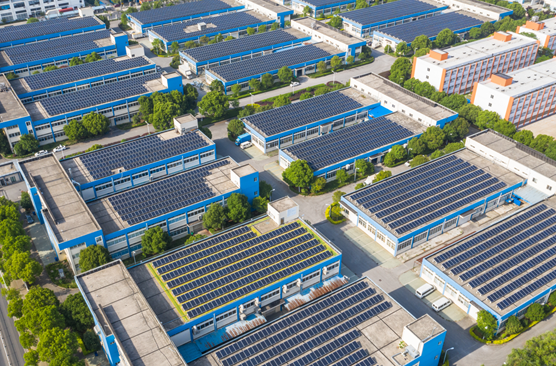
Once an underdeveloped village, Youzhangzi Village has undergone comprehensive transformation through sustained targeted assistance. New infrastructure including asphalt roads named after the local railway operator and villager-named railway bridges has reshaped the village’s spatial layout. On-site photovoltaic power stations, regarded by local residents as a stable source of recurring income, have overhauled the village’s traditional development model and injected steady momentum into rural progress.
Shenyang railway authorities launched paired assistance programmes for Youzhangzi Village in 2014. Over twelve consecutive years, support measures have moved beyond one-off financial and material aid. Systematic assistance has expanded from basic infrastructure upgrading to industrial cultivation, cultural inheritance and capacity building for local residents, fostering endogenous development vitality for the rural community.
Leveraging the abundant sunshine resources of the western Liaoning hilly terrain, three photovoltaic power stations have been built within the village. The solar-powered facilities deliver continuous stable revenue streams, fully tapping local natural endowments to form sustainable industrial benefits for rural households.
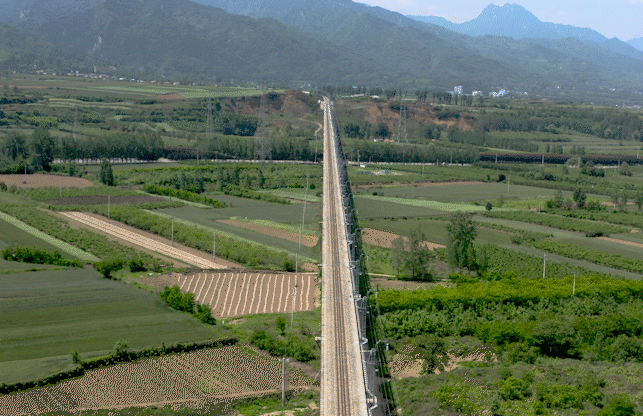
Targeted industrial upgrading has resolved long-standing operational bottlenecks for local specialty grain production. Traditional small-scale and fragmented planting patterns have restricted product value appreciation despite superior grain quality. A modern grain processing factory was completed and put into operation in 2024, with professional operational partners introduced to standardise production and raise purchasing prices above market levels. The railway-backed assistance portfolio covers photovoltaic power generation, cold greenhouses and breeding farms, comprising 15 tailored projects in total. All initiatives focus on nurturing self-driven industrial capacity rather than relying on external long-term input.
Cultural empowerment has been steadily advanced through consistent public welfare activities. Rural cultural programmes have been held in the village for three consecutive years, featuring outdoor performances and calligraphy sharing sessions at the village train-themed square. The village activity centre stores more than 5,000 agricultural science books, while Party member activity venues serve as regular platforms for knowledge exchange and skill training. Continuous cultural enrichment consolidates the soft power foundation for sustainable rural development.
Senior management teams have conducted annual field research in the village over the past decade, visiting hundreds of local households to identify practical development needs. Two batches of resident working teams have been stationed in the village to deliver grounded, targeted support. Long-term grassroots dedication has built solid trust between supporting authorities and local communities.
Consistent long-term investment has prioritised practical and sustainable development outcomes over superficial short-term gains. Railway support mechanisms will continue to deliver unique advantages for rural modernisation. Ongoing optimisation of integrated assistance models will further promote urban-rural integration and sustain steady progress in rural common prosperity.
热门内容推荐