Cross-border computing investment faces growing industry divergence and operational hurdles
Booming artificial intelligence development has driven sustained growth in global computing power demand, attracting enterprises from diverse industrial sectors to enter the computing track through cross-border layout. The sector is witnessing increasingly prominent divergence in operational performance as industrial expansion continues.
Some enterprises achieve two-way empowerment between computing services and their core businesses by leveraging inherent industrial resources, forming stable operational advantages and sustainable growth momentum. By contrast, other cross-border participants encounter mounting operational pressures, including order delivery bottlenecks and constrained cash flow, struggling to establish core competitiveness in the fiercely competitive market.
Industrial practitioners highlight that successful cross-border expansion into the computing sector relies on solid grounding in core business strengths and precise identification of resource synergy points. Key industrial barriers centre on energy consumption costs, data centre infrastructure investment and mature hardware supply chain systems, all of which determine the long-term operational viability of computing projects.
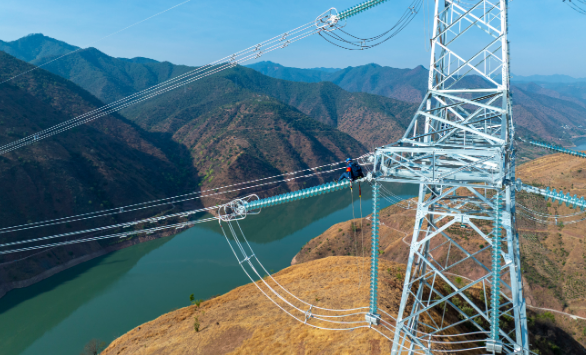
Enterprises with varied industrial backgrounds can unlock targeted advantages to lower operational risks and optimise asset utilisation. Power sector enterprises adopt integrated power and computing operational models, utilising wind, solar and energy storage resources to supply green power directly to data centres and substantially cut long-term energy consumption expenditure. Manufacturing enterprises repurpose idle factory premises for rapid data centre deployment, shortening infrastructure construction cycles and reducing fixed capital investment for new projects.

Prudent financial risk control remains essential for cross-border computing investment. Computing centre projects feature long operational cycles and heavy asset investment, requiring substantial capital input for GPU procurement and infrastructure construction. The revenue cycle of computing leasing services typically spans five to six years, creating a notable mismatch between upfront expenditure and fund recovery.
Fluctuations in market computing rental prices and downward adjustments in downstream client leasing scales will expose highly leveraged projects to heightened credit risks. Blind large-scale expansion driven by high leverage will disrupt corporate capital structures and hinder stable operational development.
Delivery capacity gaps represent another core challenge for emerging cross-border computing operators. Large-scale computing order fulfilment demands reliable data centre operation and maintenance systems, alongside efficient emergency fault response mechanisms. Many newly entered enterprises lack accumulated technical experience and professional operational teams in these key links, restricting their ability to deliver consistent service quality.
Industry participants can remedy capacity deficiencies through diversified collaborative approaches, including in-depth industrial cooperation, professional operational outsourcing and joint industrial chain development. These models help standardise operational procedures and stabilise service delivery capabilities.
The global computing power sector retains robust development potential amid ongoing AI iteration. Cross-border enterprises can only secure stable growth space in the track by avoiding blind market entry, leveraging inherent resource synergies and consolidating comprehensive operational capabilities.
热门内容推荐