National Energy Group Jiangsu Division Hits 40.038 TWh Annual Power Output Amid Summer Supply Pressures
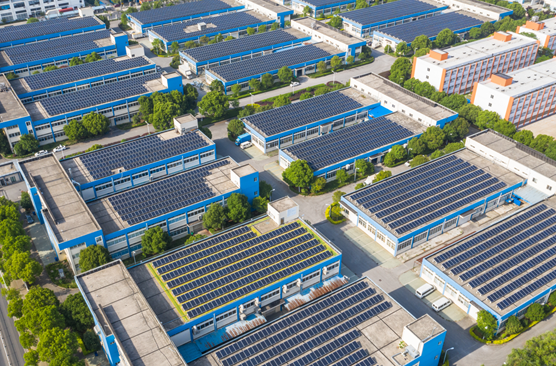
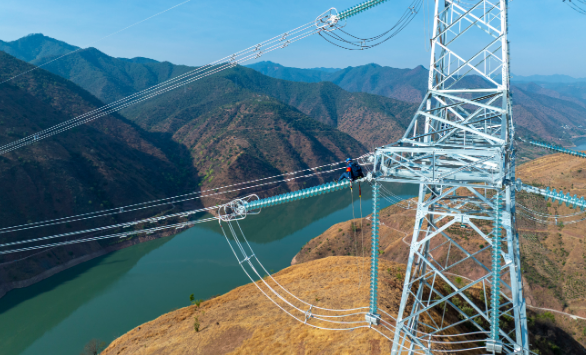
As of 9 July, National Energy Group Jiangsu Division has generated 40.038 billion kilowatt-hours of electricity over the current year, marking an extra 3.8 billion kilowatt-hours compared with the same period last year, while coal-fired power units have recorded 2,466 utilisation hours. Steady energy output from the operator underpins consistent power supply across regional grids amid mounting summer demand.
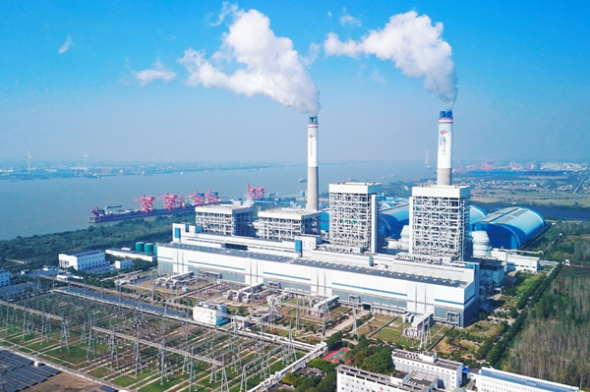
The group’s Taizhou power plant site operates alongside its wider asset portfolio across Jiangsu province. Regional power demand surges sharply each summer, compounded by frequent extreme meteorological events across eastern China. The division centralises operational focus on equipment integrity, stable unit performance and consistent fuel provision, drawing up coordinated schedules for unit activation and fault rectification. All generating windows are fully utilised to maximise power production output.
Flood prevention and power delivery support run in parallel operational frameworks. The division rolled out full emergency defence protocols ahead of Typhoon Bavi’s arrival. Round-the-clock duty rosters are maintained by dedicated emergency task forces and frontline operational teams. Comprehensive grid-style hazard inspections are completed for low-lying flood-prone zones across all production premises, with heavy lifting machinery secured with anchoring fixtures. Plant drainage pipelines are cleared section by section, and flood pumping equipment undergoes trial operation cycles. Full stockpiles of flood response materials are kept on site to reinforce overall operational safety barriers.
Commercial operation frameworks are refined to lift power generation volumes while stabilising electricity trading prices. Marginal generation profit margins are tracked continuously to fine-tune market transaction strategies. Operational parameters including optimal unit load levels, start-stop timetables and production cost control are aligned to pace monthly bidding and listed market transactions. A dual-layer trading framework combining long-cycle market assessment and short-cycle responsive adjustments is fully implemented, bridging medium-to-long term power contracts and spot market trading arrangements to secure profitable generation volumes.
Coal stock management measures are rolled out to guarantee stable fuel supply for all generating units. Real-time tracking of national coal market movements informs flexible procurement planning, with vessel shipping schedules optimised dynamically. Blending of cost-effective coal varieties is expanded to sustain safe, balanced coal inventory levels at every power station site. Coastal generation facilities leverage their direct port access, maintaining consistent communication channels with maritime and waterway authorities to unblock coal delivery routes. Uninterrupted fuel supplies enable sustained stable operation of all generating fleets.
All operational teams will continue rolling forward equipment maintenance routines and market trading calibrations for the remainder of the summer peak period. Additional coordination with water transport regulators will be maintained to sustain unimpeded coal delivery flows amid volatile weather conditions. Further iterations of dynamic power trading models will be deployed to match fluctuating regional electricity load curves across the coming months.
热门内容推荐