National Logistics Hub Framework Matures as Digital and Green Transformation Gathers Pace in China
According to official research released by the China Federation of Logistics and Purchasing on 16 July, the 2026 Report on Innovative Development of National Logistics Hubs records substantial operational progress across the country’s designated logistics nodes, with steady upgrades in service quality and robust operational momentum nationwide.
A nationwide spatial framework for national logistics hubs has largely taken shape. Seven batches of hub designations have been published to date, covering a total of 181 facilities which account for 79 per cent of the full planned network. These core nodal points form the structural backbone of the country’s modern circulation and distribution system.
Overall operational scale maintains consistent upward momentum, supported by continuous upgrades to cross-regional transport infrastructure. Average cargo throughput across all national logistics hubs rose by 5.5 per cent year-on-year in 2025, outpacing the national average growth rate for total freight volumes by 2.3 percentage points. Long-standing bottlenecks in multimodal transport integration are steadily resolved, with nearly 80 per cent of hubs equipped with dedicated railway yards or spur lines. Railway connection rates stand at 97.2 per cent for inland dry port hubs and 89.7 per cent for coastal port hubs respectively.
The clustering and radiation capacity of each hub network strengthens year on year. Some 71.3 per cent of hubs operate regular block train services, with aggregate rail freight departures climbing 7.4 per cent compared with the prior year. Port-based hubs collectively run more than 2,700 domestic and international shipping routes, creating seamless integrated land-sea logistics corridors connecting inland production zones with global trade markets.

Logistics hubs integrate ever deeper into industrial and supply chain systems, unlocking greater value for domestic and cross-border commercial circulation. Concentrations of upstream and downstream enterprises continue to expand around all categories of designated hubs. Transaction volumes recorded at production-focused and commerce-oriented hubs posted an average annual rise of 10.1 per cent, linking manufacturing, wholesale distribution and import-export operations to facilitate smooth domestic and international economic circulation.
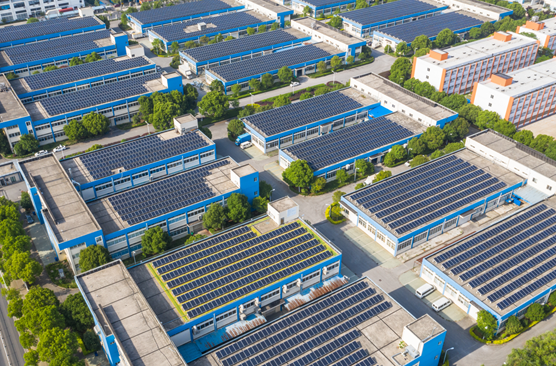
Digital intelligence and low-carbon development act as dual driving forces reshaping hub operation models, delivering tangible transformation outcomes. Digital retrofitting has been widely rolled out across the sector. More than 90 per cent of national logistics hubs deployed intelligent handling equipment in 2025, with unmanned gateways, real-time operational scheduling platforms and automated sorting workflows operating at full commercial scale. Progress in green and low-carbon infrastructure accelerates in parallel; over 70 per cent of hubs have deployed fleets of new energy freight vehicles, while more than half host on-site renewable power generation installations. Low-carbon operational standards have become the mainstream benchmark for new hub construction and renovation projects.
National transport and logistics industry data confirms the sustained expansion of multimodal transport volumes routed through designated national hubs. Integrated rail-sea, rail-road and air-land transfer facilities cut cross-regional transit durations and lower comprehensive logistics costs for manufacturers and trading firms. Further investment into digital management systems and renewable energy infrastructure will continue lifting the overall operational efficiency of the national hub network across coming cycles.
热门内容推荐