National Energy Administration Unveils Three-Year Energy Efficiency and Carbon Cut Roadmap Running to 2028
According to Xinhua News Agency, the National Energy Administration released the Action Plan for Energy Conservation and Carbon Reduction in the Energy Sector (2026–2028) on 10 July, laying out clear quantitative targets and cross-industry implementation pathways to lift green energy utilisation across all energy value chains over the next three years.
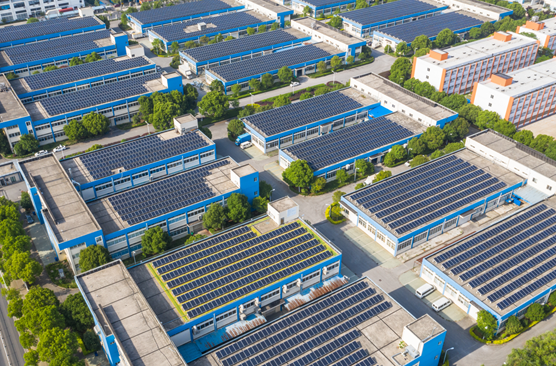
The policy document sets measurable benchmarks to be delivered by 2028. The share of non-fossil fuels in total energy consumption shall rise by roughly one percentage point each year. Authorities will rein in coal-fired power generation coal consumption, with the proportion of coal power units hitting current benchmark efficiency levels to climb by 15 percentage points. Multiple low and zero-carbon coal mining zones and oilfields will be constructed nationwide, alongside a cohort of zero-carbon industrial parks. Carbon reduction outcomes in high-energy-consuming sectors will improve markedly as green power adoption expands across industrial operations.
Representatives from the National Energy Administration have outlined the dual focus of the new framework. One strand targets energy production, storage, transmission and distribution, tightening carbon abatement rules for coal, oil, gas and coal-fired power segments. The second strand supports energy-intensive downstream industries to phase out fossil fuel reliance through wider uptake of non-fossil power. The combined measures raise operational efficiency and curb carbon discharges, steer coal and oil consumption towards peak levels, and underpin comprehensive green economic and social transformation.
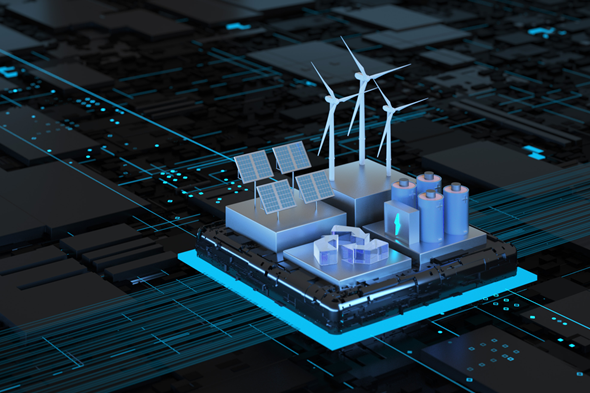
Detailed operational measures split across power, coal and oil-gas production chains feature prominently within the text.
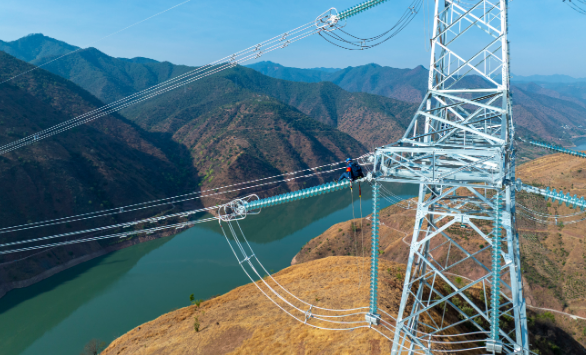
For the power sector, the plan rolls out a suite of low-carbon upgrades for thermal power assets. Integrated projects pairing coal and gas plants with renewable generation will move forward, utilising thermal and electrical storage to deliver flexible peak regulation and unified power transmission for composite decarbonisation gains. Cross-regional power transmission corridors will be optimised to allocate clean energy resources nationwide, with planning and construction progressing steadily for wind-solar-hydro hybrid bases and long-distance power lines spanning provincial borders. Space for renewable power absorption will widen through scaled deployment of new energy storage and pilot long-duration storage technology. Inter-provincial green power trading volumes will expand continuously to lift the proportion of electricity generated from zero-carbon sources.
Coal extraction operations will prioritise circular and eco-friendly resource utilisation. Waste rock and coal slurry will be channelled into power generation and chemical manufacturing wherever feasible. Mines will adopt on-site gas utilisation, low-grade heat recovery, waste heat recycling and water and material conservation schemes to cut operational carbon footprints.
Oil and gas upstream and refining processes will shift to low-carbon energy inputs. Wind, solar, geothermal and marine renewable installations will be built within and around oil and gas blocks to boost electrification of exploration and extraction workflows, laying groundwork for fully low or zero-carbon oilfield zones. Restructuring will advance across refineries and coal-to-liquids and coal-to-gas facilities, with full-scale industrial modernisation programmes underway.
Officials from the National Energy Administration state that substituting fossil fuels with non-fossil energy stands as a core route to lowering emissions on the consumption side. System overhauls for industrial energy supply and end-use equipment form a necessary precondition to scale renewable power penetration in manufacturing operations.
Clean energy adoption within transport infrastructure forms another key policy pillar. Urban public charging networks will centre on fast-charging hardware, complemented by slow-charging units and high-power charging facilities as supplementary capacity. Major highway routes will see expanded high-power chargers alongside dedicated charging and battery swap infrastructure for electric heavy goods vehicles. Any charging installation recording utilisation rates above 40 per cent during major public holidays will undergo high-power conversion work in the near term.
The action plan also encourages innovative artificial intelligence models tailored to energy operations, with digital and intelligent carbon mitigation solutions set to undergo practical trials. Stakeholders will map out high-value application scenarios for AI technology to streamline energy conservation and emission reduction workflows across the whole energy industry.
Ongoing construction of large-scale clean energy bases and cross-regional power transmission infrastructure will expand the carrying capacity for wind and solar generation over the three-year implementation window. Mining and oilfield operators will accelerate installation of distributed renewable assets to decarbonise on-site operations, while industrial park developers roll out integrated zero-carbon energy supply systems. Transport charging network upgrades will proceed in line with rising demand for electric commercial and passenger vehicles, and research teams will continue developing AI-driven smart energy management systems to unlock further efficiency gains throughout energy production and consumption cycles.
热门内容推荐