China unveils 15th Five-Year carbon peaking plan to drive industrial low-carbon transformation
China has released a new action plan to anchor carbon peaking advancement during the 15th Five-Year Plan period. Published by the State Council on July 9, the official document sets out systematic deployment for industrial upgrading, energy conservation and emission reduction, and low-carbon infrastructure development, charting the roadmap for nationwide green and low-carbon structural optimisation over the next five years.
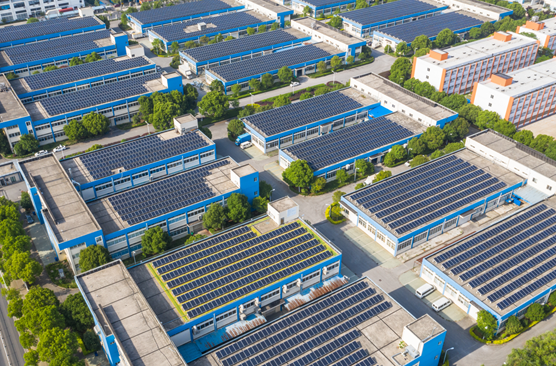
According to the official policy text, the plan clarifies key tasks for industrial green transformation, covering low-carbon restructuring of traditional industries, energy-saving and carbon-reduction upgrading of existing production capacity, construction of zero-carbon industrial parks and zero-carbon factories, green transformation of computing infrastructure, and expanded application of circular economy models to cut industrial carbon emissions. Six special columns are embedded in the plan to underpin targeted implementation of major low-carbon projects, with dedicated arrangements for energy-saving and carbon-reduction initiatives in high-energy-consuming sectors.
According to Securities Daily coverage, the document introduces quantified industrial emission reduction targets, requiring carbon dioxide emissions per unit of industrial added value from above-scale enterprises to drop by more than 17 per cent throughout the 15th Five-Year Plan period. Focusing on steel, electrolytic aluminium, cement, flat glass, petrochemical and chemical industries, the plan advances targeted renovation projects to lift resource utilisation efficiency and fundamentally optimise the operational model of traditional heavy industries.
Technological innovation and process iteration are defined as the core drivers for low-carbon upgrading of traditional manufacturing sectors. Upgraded energy-saving and emission-reduction equipment and advanced production technologies will be widely rolled out across high-pollution and high-energy-consumption industries to realise precise carbon control and cleaner production. The policy framework also incorporates inclusive supportive mechanisms to assist small and medium-sized enterprises in green transition.
Supportive policy tools including fiscal subsidies, tax incentives, low-interest financing and professional technical assistance will be rolled out to ease capital and technological constraints faced by small and medium-sized enterprises. Industrial associations will be encouraged to facilitate cross-enterprise technical exchanges and joint research to tackle industry-wide low-carbon transformation bottlenecks.
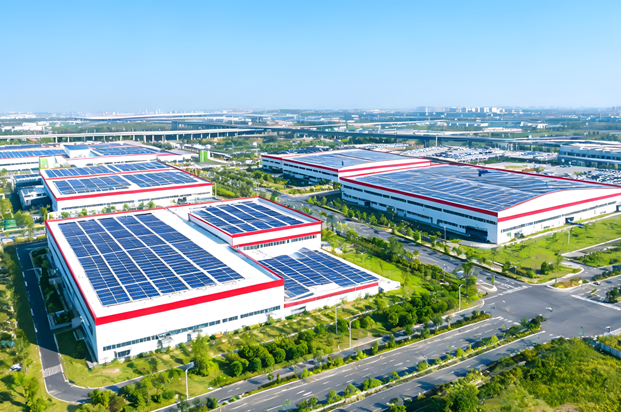
The plan sets clear quantitative targets for zero-carbon system construction. Around 100 national-level zero-carbon industrial parks and 500 zero-carbon factories will be built within the 15th Five-Year Plan timeframe. The policy prioritises the development of green computing infrastructure and supports the construction of zero-carbon data centres. It also promotes resource-recycling production models, boosting comprehensive utilisation of industrial waste, cascaded energy utilisation and circular water resource systems to realise full-chain resource recycling and emission reduction.
Multi-stakeholder coordination mechanisms will be strengthened to ensure solid implementation of carbon peaking tasks. All provincial-level administrative regions will formulate tailored local implementation plans with refined regional targets and phased arrangements. National-level low-carbon public awareness campaigns will be carried out, while green and low-carbon international cooperation will be deepened to align domestic industrial upgrading with global sustainable development trends.
The new round of carbon peaking deployment unlocks extensive industrial development opportunities across the whole green industrial chain. Emerging sectors including new energy vehicles, power batteries, hydrogen energy and green fuels will gain accelerated development momentum. Professional green service industries covering energy conservation supervision, carbon accounting and carbon consulting will expand rapidly alongside the booming market demand.
Green power trading, carbon finance and green certification supporting services will achieve synchronous expansion. Low-carbon renovation and green product certification of traditional manufacturing enterprises will generate differentiated brand value and market competitiveness. The full-spectrum green industrial upgrade will effectively drive high-quality investment and foster new productive forces, forming core growth drivers for steady economic development.
Regional industrial layout optimisation will proceed in tandem with policy implementation. Local authorities will leverage regional resource and industrial advantages to formulate targeted development plans, strengthen professional talent training and core technological research, and build distinctive and competitive green industrial clusters. Enhanced upstream and downstream industrial synergy will accelerate the formation of complete, coordinated and efficient green industrial systems across the country.
热门内容推荐