Chinese shared bikes upgrade design and functions to expand urban lifestyle scenarios
Shared bicycles across Chinese cities have undergone comprehensive functional and aesthetic upgrades to cater to evolving public travel and leisure demands. Equipped with widened shock-absorbing cushions, navigation-friendly phone brackets, silver-ion antibacterial handlebar coatings and additional water bottle holders, the newly updated shared bikes feature vibrant colour schemes of purple, pink, yellow and blue. The renewed designs have gained widespread public favour, with many users acknowledging the enhanced riding comfort and social media users highlighting the industry’s upgraded competitiveness and trendy appeal.
Riding has developed into a diversified lifestyle integrating fitness, leisure, fashion and social interaction alongside conventional commuting, supported by improving urban cycling infrastructure and rising public pursuit of quality life. Major shared bike operators including Meituan, Hello Bike and Didi Qingju have launched large-scale fleet upgrading programmes since March this year. Shared bicycles are transforming from basic last-mile transport tools into multi-functional urban carriers that integrate practicality and social value, covering broader consumer scenarios.
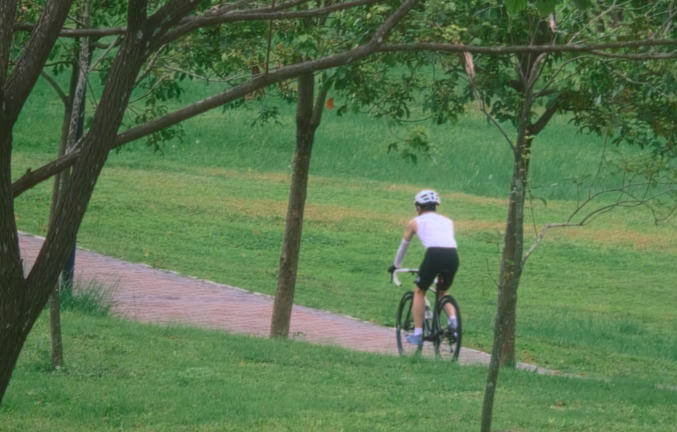
Continuous optimisation of urban cycling lanes and greenway systems has created safer and friendlier riding conditions, diversifying application scenarios for shared bikes. Industry operational data shows that the average daily riding volume of shared bicycles nationwide has reached 120 million trips. The iterative upgrading of vehicle hardware has greatly improved user experience, with shock absorption, labour-saving operation and comfortable riding experience becoming the most mentioned advantages among users. Optimised ergonomic designs enable long-distance and leisure riding, allowing shared bikes to serve as cost-effective fitness and outdoor leisure options for urban residents beyond daily short-distance commuting.
The industry has entered a stock upgrading stage centred on user experience optimisation after more than a decade of development. Most new functional configurations of upgraded bikes are developed based on real user demands. The launch of renewed fleets has driven obvious growth in long-distance riding orders, while urban leisure cycling and scenic spot check-in rides have become prevalent daily choices for urban residents during weekends and holidays.
Aesthetic innovation and customised design empower shared bikes with trendy social attributes, precisely matching young users’ demands for personalised expression and social sharing. Multiple customised and limited-edition bicycle designs have been launched in major cities. In April this year, multiple operators jointly unveiled spring-themed floral shared bikes at Hangzhou West Lake Scenic Area, decorated with colourful plush flowers and simulated flower vines. The seasonal limited designs and IP co-branded models have been continuously promoted in Shanghai, Zhuhai and other regions.
Customised co-branded fleets further expand the industrial boundary of shared mobility services. Themed bicycles tailored for university anniversaries, luxury brand co-branded golden bikes and idol IP-linked colour-matched models have been successively launched across the country. Matched with customised unlocking voice prompts and themed cycling routes, these upgraded services turn shared bicycles into interactive and shareable urban cultural carriers. Current market demand focuses more on the riding experience itself rather than simple travel purposes, driving the industry to deepen refined operation and meet differentiated consumer needs amid stock competition.
Large-scale vehicle upgrading brings higher manufacturing and operational costs, driving moderate adjustments to industry charging standards. Major operators have updated their billing rules in Beijing since June this year. The adjusted pricing structure lowers charges for long-distance riding while appropriately raising fees for short trips, triggering public discussion on the balance between service quality and charging standards.
Shared bicycle operation belongs to an asset-intensive leasing industry with rigid cost expenditure. Vehicle manufacturing costs range from 700 to 1,100 yuan per unit, with a service life of three to four years. Annual average amortised costs stand between 175 and 275 yuan per bike, and comprehensive annual operational costs including daily maintenance and scheduling exceed 400 yuan for each vehicle. Stable daily operational costs and fluctuating riding frequencies determine the industry’s flexible pricing mechanism, which reflects the dynamic balance of market supply and demand. Long-term brand operation and service upgrading are essential for platforms to achieve sustainable cost recovery and stable development.
As quasi-public urban infrastructure, shared bicycles receive public space support and undertake public service functions. Differentiated policy guidance and targeted fiscal subsidies can effectively encourage low-carbon travel and optimise urban public mobility services. Platform operators will standardise pricing notification mechanisms in the future, adopting pop-up reminders and on-site price signs to clarify charging standards for different vehicle models. Balanced development between commercial operation and public welfare attributes will further consolidate the industry’s role in urban low-carbon mobility and daily leisure lifestyle services.
热门内容推荐