AI-powered Three-tier PV Control System from Tianfu Energy Named National Smart PV Model Case
According to official release from Ministry of Industry and Information Technology, Xinjiang Tianfu Energy Co., Ltd’s project titled Construction and Operation Practice of Three-tier Joint Control System for Corps PV Clusters empowered by Artificial Intelligence has been shortlisted on the official List of Typical Smart PV Cases. The scheme stands as the sole national-level smart photovoltaic demonstration project belonging to Xinjiang Production and Construction Corps.
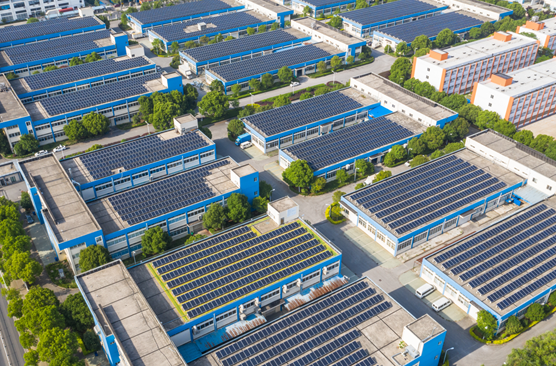
Shihezi City of the 8th Division hosts large-scale Gobi photovoltaic bases and holds the status of the nation’s first urban-level integrated source-grid-load-storage demonstration zone. Tianfu Energy has pioneered an intelligent operation and maintenance framework structured around a digital central control hub, regional maintenance centres and unmanned smart stations.
Acting as the core nerve centre of the whole network, the new digital PV control platform unifies monitoring, administration and operational management for all new energy stations across each division of the Corps. Remote data gathering, real-time surveillance and AI-driven analytical tools deliver centralised data collection, equipment oversight, operational regulation and efficiency optimisation. Regional maintenance hubs adopt a clustered operational model that pools on-site staff, equipment and technical resources to deliver integrated management of manpower, hardware and technical support. Unmanned smart stations deploy intelligent video surveillance, image recognition, IoT connectivity, big data analytics and drone inspection tools to track operational metrics round the clock, cutting equipment faults triggered by manual misoperation.

Full rollout of the digital upgrade has lifted overall operational efficiency of Tianfu Energy’s PV clusters by measurable margins. On-site station staffing has fallen by more than 75 per cent, while automated intelligent tools replace 80 per cent of traditional manual inspection work and drive down general operational expenditure. AI scheduling algorithms boost aggregate photovoltaic power generation by approximately 5 per cent. System fault identification is compressed from hour-long diagnostic cycles to minute-level pinpointing, with 24/7 uninterrupted safety monitoring in place to reinforce stability of new energy grid integration.
The digital framework serves gigawatt-scale Gobi photovoltaic bases. Alongside cost reduction, performance improvement and safer operation, the facility unlocks substantial low-carbon environmental gains and delivers dual advancement between photovoltaic development and desert ecological restoration. Tianfu Energy’s grid currently operates 4.34 gigawatts of installed photovoltaic capacity, with a further 0.3 gigawatts under construction. The digital control platform has already integrated new energy assets totalling 5.83 gigawatts from the 2nd, 3rd, 7th and 8th Divisions. The system is built to accommodate nearly 20 gigawatts of installed capacity in the coming years, marking the country’s largest integrated digital management platform for new energy with full-spectrum monitoring capability.
Tianfu Energy will scale up investment in new energy industrial development and digital transformation upgrades. The established smart photovoltaic operational model will be shared and replicated across wider regions to advance low-carbon and high-quality industrial development.
热门内容推荐