China’s First Integrated Zero-carbon Freight Corridor Starts Construction in Guangxi
According to CCTV News, a new energy-transport integration project attached to the Hengqin Expressway in Guangxi officially commenced construction on 27 June. Developed and invested by China Energy Engineering Corporation’s Gezhouba Group, the scheme marks the first large-scale full-chain zero-carbon freight corridor serving the New Western Land-Sea Corridor. It also represents the country’s pioneering three-in-one low-carbon transport demonstration project that integrates zero-carbon highway operation, clean energy systems and ecological carbon sink facilities.
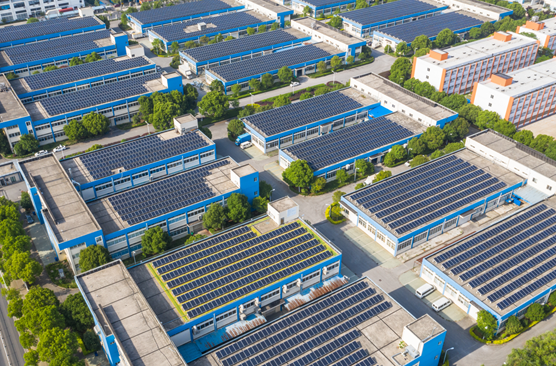
The project follows a synchronous development model alongside the main Hengqin Expressway works, covering unified design, construction and operational launch procedures. A distributed photovoltaic power station with a total installed capacity of approximately 7.17MW is being deployed along the highway route, supported by matching energy storage units, intelligent microgrids and upgraded power distribution systems. The tailored energy framework enables on-site power generation for self-consumption, surplus electricity storage and intelligent power dispatching, delivering stable and low-carbon energy supply for daily highway operation.
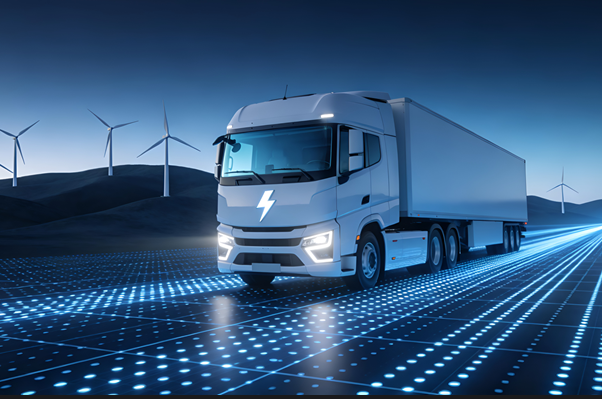
High-efficiency green energy replenishment facilities are being installed at service areas across the full route, including heavy-duty truck fast charging piles, megawatt-level ultra-charging equipment and professional battery swapping stations for freight vehicles. The comprehensive green charging network resolves long-standing operational bottlenecks such as insufficient charging access and slow energy replenishment for trunk-line freight fleets, providing solid low-carbon logistics support for bulk cargo transportation in southern China.
An innovative diversified carbon offset system forms a core part of the project’s low-carbon layout. The development combines forestry carbon sinks and mangrove carbon sequestration, energy-saving renovation of existing buildings, and coordinated ecological carbon fixation and emission reduction measures. The integrated mechanism fully offsets all carbon emissions generated during the highway’s operational phase, driving tangible progress for transport infrastructure development from conventional emission reduction to net-zero carbon operation.
Once fully operational, the new energy system will generate over 6.55 million kilowatt-hours of clean electricity every year, cutting annual carbon dioxide emissions by around 40,000 tonnes. The total power generation capacity throughout the entire operational lifecycle is expected to exceed 190 million kilowatt-hours, equivalent to the annual household electricity consumption of 95,000 ordinary families. The project will set a replicable benchmark for green and low-carbon transformation of national highway and logistics infrastructure, and continuously empower the high-quality sustainable development of regional freight transportation systems.
热门内容推荐