Anhui Energy Group Rolls Out Full Preparations for Peak Summer Power Supply
According to local energy industry media reports, Anhui Energy Group has completed comprehensive preparation work for the upcoming summer power consumption peak amid rising regional temperatures and growing electricity load pressure. The group has strengthened systematic arrangements covering fuel stockpiling, equipment maintenance, external power integration, emergency response and personnel deployment, consolidating solid operational foundations for stable energy supply throughout the high-demand summer period.
Adequate fuel reserves form a solid foundation for uninterrupted power generation. Anhui Energy Group has optimised coal procurement and transportation schedules to secure stable coal supplies for all thermal power plants under its management, with reserved coal stocks reaching 300,000 tonnes at transit ports by the end of June. A diversified coal supply network has been established, relying mainly on sea-river coal delivery from northern ports while supplementing supplies with Xinjiang coal transported via Chongqing inland waterways and market-sourced inland coal, effectively diversifying fuel access channels.
Stable gas supply mechanisms further enrich regional energy guarantee capacity. Coordinated gas adjustment and gap compensation systems have been launched with major provincial gas suppliers, with a total of 18.19 million cubic metres of gas allocated via the operational “gas bank” mechanism. Biomass power facilities have built a closed-loop straw utilisation system covering collection, storage, transportation, processing and final consumption, conducting large-scale wheat straw collection during the current farming season to support clean power generation.
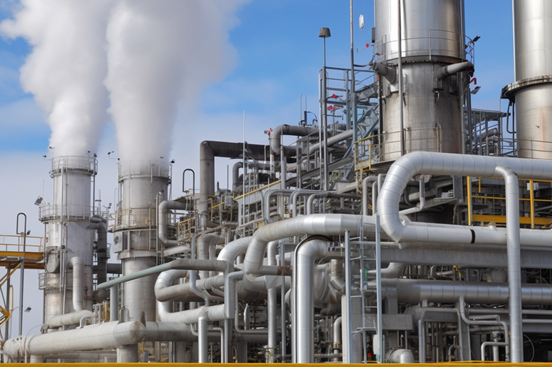
Five comprehensive energy ports in the region adopt an integrated multi-energy supply model covering oil, gas, electricity and hydrogen, enabling coordinated mutual support among gas, power and energy storage resources to enhance overall energy operational flexibility.
Full-scale intelligent equipment maintenance ensures maximum operational reliability during peak seasons. All 14 major thermal power units have completed scheduled overhauls and in-depth environmental upgrades, with optimisations implemented for thermal control systems and auxiliary equipment. Advanced technical means including drone furnace inspection, intelligent thickness measurement and high-definition imaging have been adopted for precise diagnosis of key components such as heating surfaces and burners, achieving a 100% defect elimination rate and full unit availability.
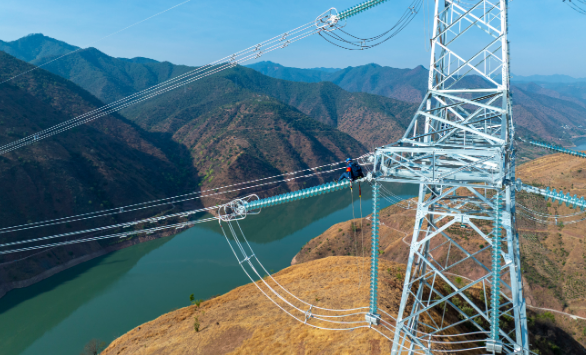
Specialised high-temperature safety protocols have been fully implemented across all operational sites. Comprehensive inspections and in-depth maintenance have been carried out for core equipment at gas transmission stations. A total of 463 sets of high-definition intelligent monitoring devices have been deployed along high-risk pipeline sections to deliver round-the-clock unmanned supervision, while drone aerial patrols have covered 168.5 kilometres of complex mountainous pipeline routes. Targeted heat dissipation maintenance and cross-site safety inspections have been conducted to address high-temperature operational risks, resolving more than 1,000 potential safety hazards and improving stable operational performance of all power facilities.
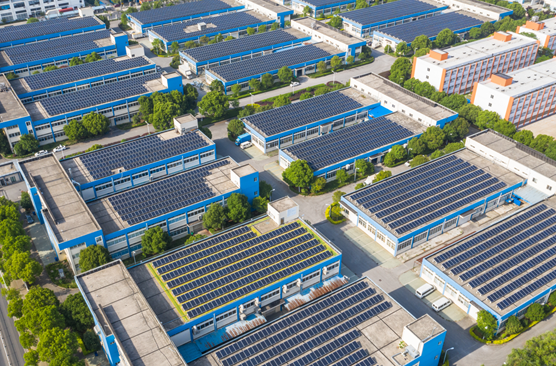
External power introduction and energy storage regulation effectively complement regional power supply capacity. The Xinjiang-Anhui power transmission project delivers steady cross-regional electricity support during summer peak periods. The full-capacity commissioning of the 800,000-kilowatt photovoltaic project in Qitai, Xinjiang, will further boost provincial power supply volume and raise the proportion of clean energy in Anhui’s overall power consumption structure.
Local energy storage stations including Huoqiu Yongshuo and Huaibei Lieshan have strengthened daily inspections and heat dissipation system maintenance to maintain optimal operational status, maximising peak shaving and valley filling functions to balance grid load fluctuations. Systematic emergency drills have been organised to tackle extreme weather conditions such as high temperatures and thunderstorms, with over 800 participants attending full-coverage simulator anti-accident training sessions.
Multiple emergency plans covering flood prevention, typhoon resistance and lightning protection have been updated and improved, alongside more than 20 practical drills focusing on flood control, fall prevention and fire safety. Enhanced risk management for key operational areas, flood drainage facilities and equipment cooling systems will sustain the safe and stable operation of Anhui’s power grid throughout the summer peak energy consumption period.
热门内容推荐