Central Asia Accelerates Upgrading of Energy Value Chains and Renewable Rollout Amid Shifting Global Energy Landscape
According to international energy industry publications, mounting unrest across the Middle East has triggered sweeping adjustments to worldwide energy supply frameworks, lifting the strategic weight of Central Asia endowed with abundant fossil fuel reserves and rich renewable energy resources. Kazakhstan, Turkmenistan, Uzbekistan and other regional states have rolled out medium-to-long term industrial roadmaps, with a core focus on lifting domestic deep-processing capacity for oil and gas and boosting exports of high-value refined derivatives. Concurrent investments target low-carbon energy transformation and diversified industrial layouts, to lift regional standing and competitiveness within global energy trading systems.
Investment in Downstream Oil and Gas Refining Gathers Pace
Regional nations ramp up crude and natural gas extraction alongside large-scale capital injections into refining infrastructure, building out integrated industrial chains to raise product value and export volumes.
Kazakhstan holds proven crude reserves of approximately 30 billion barrels, ranking among the world’s top 15 resource holders. The national government formally endorsed the 2025–2040 Oil Refining Development Plan in July 2025, setting a target refining depth rate of 94 per cent. Daily technical export capacity of refined products is set to hit 2 million barrels before the end of the current year, while finished petroleum goods are projected to account for 30 per cent of total oil exports by 2040. National annual refining throughput will expand drastically from the existing 18.4 million tonnes to 40 million tonnes by 2033. Pavlodar, Atyrau and Shymkent refineries will undergo phased modernisation and expansion works, designed to fully resolve domestic diesel supply shortages by 2030.
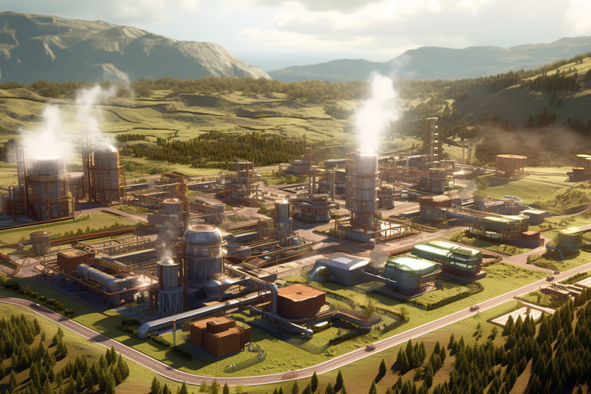
Turkmenistan controls proven natural gas reserves of around 19.5 trillion cubic metres, consistently ranking fourth globally. Galkynysh Field, one of the world’s largest onshore single gas deposits, holds 2.8 trillion cubic metres of commercial reserves and forms the backbone of national gas export flows. Authorities push ahead with integrated downstream gas processing development. In December 2025, the state-owned gas corporation launched an international tender for turnkey construction and design of gas-to-petrol manufacturing plants. Additional infrastructure plans include a commercial gas treatment facility handling 10 billion cubic metres per annum, paired with drilling and completion works for high-yield production wells.
Uzbekistan operates one of the globe’s largest and most sophisticated gas-to-liquids complexes. The facility converts raw natural gas into refined fuels delivering profit margins four to five times higher than unprocessed feedstock. Domestic synthetic diesel prices have nearly halved as a result, and jet fuel supplies have shifted from full import reliance to self-sufficiency. A full petrochemical cluster is being built around the site, with satellite manufacturing units in the pipeline to convert on-site naphtha into polyethylene, polypropylene and other polymer materials. These facilities cut import spending on petroleum goods and advance national energy diversification strategies. A chemical complex producing olefins from methanol, with a total investment of roughly 10 billion US dollars, is slated for construction in Khorezm Region alongside dedicated industrial technology parks.
Industry analysis highlights the tangible economic benefits of complete oil and gas downstream networks for Central Asian states. Expanded processing infrastructure unlocks fuller resource utilisation, curbs external import dependence and stimulates auxiliary sectors spanning chemical manufacturing, machinery production and cross-border logistics, strengthening overall economic resilience.
Scaled Deployment of Renewable Energy Resources Advances Steadily
Beyond substantial fossil fuel endowments, the region boasts untapped renewable potential. Assessments issued by the Eurasian Development Bank confirm Central Asia possesses solid resource foundations for low-carbon energy shifts. Southern Kazakhstan and Uzbekistan’s desert zones deliver ideal solar irradiation levels, western Kazakhstan and Caspian coastal territories host viable wind resources, while Kyrgyzstan and Tajikistan command extensive hydropower assets. National administrations roll out supportive policy frameworks and deepen cross-border collaboration to scale up clean energy developments.
Kazakhstan finalised an auction scheme in 2025 for renewable projects totalling 1,810 megawatts of installed capacity, covering 1,200 megawatts of wind farms, 90 megawatts of solar photovoltaic arrays, 500 megawatts of hydropower and 20 megawatts of biomass generation. The tender incorporates a pioneering 1,000-megawatt wind portfolio coupled with integrated energy storage systems. Kyrgyzstan’s energy authorities have inked 13 investment contracts for wind and solar assets delivering a combined 650 megawatts of output. The state green energy fund opened tenders this year for land leasing rights across 15 new renewable sites, including three large-scale photovoltaic installations and twelve small hydropower stations.
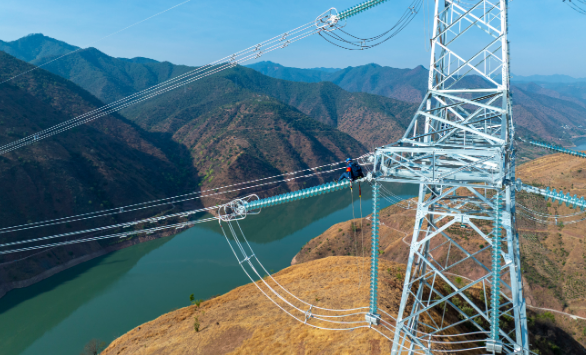
Tajikistan centres its hydropower expansion around Rogun Hydropower Plant, unlocking untapped generating capacity along the Vakhsh River basin. The infrastructure programme reshapes national energy profiles, moving Tajikistan away from seasonal electricity deficits and positioning it as a regional exporter of zero-carbon power. Kyrgyzstan prioritises water resource exploitation across the Naryn River basin with Kambarata-1 Hydropower Plant as its anchor asset, easing chronic winter power shortages and cutting reliance on imported electricity. Upon completion, these schemes lift domestic power generation capacity, reduce external energy procurement and enable cross-border clean power deliveries to Kazakhstan, Uzbekistan and South Asian markets, bolstering regional standing in water resource co-ordination, cross-border power interconnection and low-carbon energy partnerships.
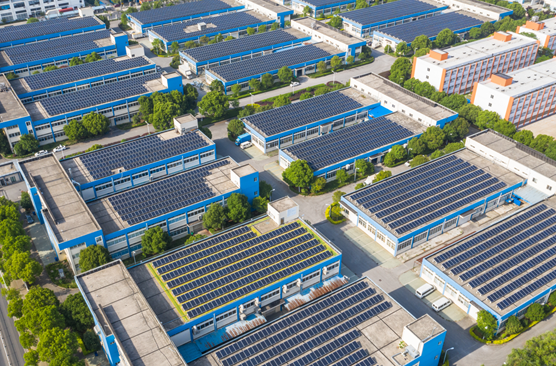
Uzbekistan enters a phase of mass renewable construction, with photovoltaic, wind, energy storage, green hydrogen and waste-to-power facilities breaking ground nationwide. This pipeline steers national energy mixes away from heavy natural gas dependence toward diversified, decarbonised and integrated power systems. Government targets specify a minimum installed renewable capacity of 25 gigawatts by 2030, with clean energy responsible for 54 per cent of total national power generation.
Turkmenistan’s energy matrix remains heavily weighted toward natural gas, with nascent renewable installed capacity and limited industrialisation. Legislative and policy frameworks are being refined to draw foreign capital into green energy ventures, gradually trimming natural gas’s share of domestic consumption and delivering progressive low-carbon transition.
Practical Energy Co-operation Between China and Central Asia Deepens Across Full Industrial Chains
Collaboration frameworks between China and Central Asian nations have evolved beyond early-stage oil and gas extraction plus transnational pipeline transport, now covering the complete value chain including upstream fossil operations, refining, power generation, transmission networks, renewables, energy storage and specialised power equipment manufacturing. Established oil and gas partnerships remain a stable foundation for bilateral ties, while aligned development between the Green Silk Road initiative and regional green energy blueprints creates multiple high-standard, livelihood-boosting and sustainable flagship infrastructure schemes.
The Second China-Central Asia Summit held in 2025 formalised backing for a China-Central Asia energy development partnership, paving the way for expanded cross-sector energy co-operation across every industrial tier.
Construction works for Phase Four commercial exploitation of Galkynysh Field broke ground earlier this year under joint Chinese-Turkmen collaboration, unlocking an extra annual gas output of 10 billion cubic metres. Once all seven planned development phases reach completion, the field’s aggregate annual production capacity is projected to approach 200 billion cubic metres. In Bukka District of Tashkent Region, a 263-megawatt photovoltaic plant developed by Chinese contractors has entered full commercial operation. The facility generates roughly 540 million kilowatt-hours of electricity each year, supporting Uzbekistan’s energy mix restructuring and low-carbon transition pathways. Kyrgyzstan hosts a major refinery invested and built by Chinese enterprises, standing among the nation’s largest processing industrial assets. The plant is engineered to process 800,000 tonnes of crude oil and 200,000 tonnes of heavy fuel oil annually, with proprietary Chinese technologies lifting refined product yield rates by approximately 30 per cent versus traditional regional refineries.
A recent research brief published by the Eurasian Development Bank outlines shared regional energy challenges, including fast-rising power demand, ageing generation and grid hardware, overreliance on single fuel sources, elevated transmission losses and fragmented cross-border energy integration. Extended energy value chains require matching cross-border logistics and transport infrastructure. China and Central Asian states therefore expand joint development of transnational pipeline networks, highways and rail corridors to strengthen supporting logistics frameworks. The A, B and C lines of the China–Central Asia Natural Gas Pipeline Network are fully operational and linked with China’s West-East Gas Transmission Phase Two and Three domestic pipelines, while accelerated construction proceeds on Line D. These interconnected transport assets deliver tangible benefits to communities along transit routes and drive upgrades to local infrastructure and associated industrial sectors.
Complementary resource endowments, technical expertise and market demands underpin mutually advantageous energy collaboration frameworks. China holds established strengths in oil and gas extraction, refining, solar, wind and hydropower engineering, alongside mature operational and manufacturing capabilities that support regional energy industrial upgrades. The China–Kazakhstan Natural Gas Pipeline joint venture functions as a cornerstone asset safeguarding cross-border energy security, with bilateral co-operation shifting toward digitalised and intelligent operational models that deploy advanced productive forces to elevate conventional fossil industry performance. Expanded energy co-operation between Kyrgyzstan and other Central Asian states with China delivers consistent safeguards for regional energy stability and sustainable industrial progress.
热门内容推荐