New Grain Corridor Links Northeast Farms Directly to Guangxi State Reserves via Merchants Group Liaogang Port
According to People’s Network Liaoning Channel, a direct grain supply programme connecting state grain reserves in Guangxi with Northeast producing regions has officially launched under China Merchants Group’s Liaogang Group. Cargo vessels loaded with high-quality corn from major grain belts in the northeast set sail from Yingkou Port bound for Guangxi, opening a seamless green logistics artery running straight from grain-growing fields to central reserve granaries operated by China National Grain Reserves Group in Guangxi.
The integrated logistics framework draws on ample shipping capacity and Yingkou Port’s strategic coastal positioning to build a unified multi-modal transport network combining rail-sea intermodal services and bulk grain containerised delivery.
The complete closed-loop supply chain removes redundant intermediate handling stages, enabling direct transit from farmland storage to permanent grain reserve facilities.
Two dedicated regular rail freight lines – Yushu to Bayuquan and Yingcheng to Bayuquan – have been brought into service to expand the scale of the national North Grain South Transport network.
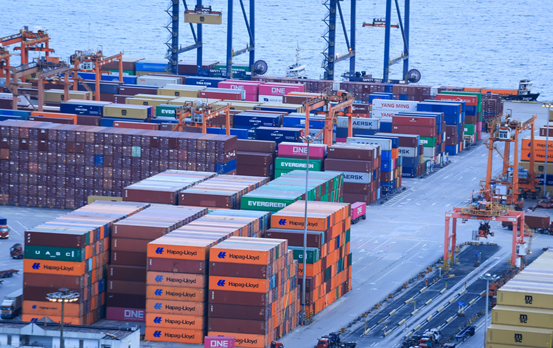
Port operators, national railway divisions, grain storage facilities and agricultural trading enterprises coordinate operations across all segments to maintain a robust national grain logistics artery linking the fertile black soil plains of the northeast to the Beibu Gulf coastal zone.
Rail freight trains carry bulk corn cargo to Yingkou Port’s dedicated grain unloading terminals, where automated bulk handling equipment accelerates vessel loading procedures and cuts transit turnaround times. Streamlined intermodal documentation systems deliver end-to-end cargo tracking and unified settlement processes, reducing physical grain loss and cutting overall logistics expenditure for bulk grain shipments.
The initial batch of direct supply shipments will continue running until September this year, with a total volume of 90,000 tonnes of premium corn scheduled for delivery to Guangxi’s central grain reserve depots. Consistent, scheduled grain deliveries reinforce regional grain stockpiling capacity and stabilise domestic food supply chains across southern and southwestern provinces.
The expanded transport network will accommodate rising grain transfer volumes across upcoming harvest cycles. Ongoing upgrades to bulk grain loading and storage infrastructure at Yingkou Port will raise annual handling capacity for intermodal agricultural shipments, while additional fixed rail routes connecting Jilin grain hubs to Liaoning coastal terminals will further streamline North Grain South Transport workflows. The established direct supply model will serve as a replicable template for cross-regional grain circulation across China’s major production and consumption zones.
热门内容推荐