Drilling Works Kick Off for Phase II of Bozhong 19-6 Giant Gas Field, Bohai Bay’s First Trillion-Cubic-Metre Gas Asset
According to Xinhua News Agency Tianjin Bureau, spudding operations commenced on well G10 at the WHPG pilot platform belonging to the Phase II development scheme of Bozhong 19-6 condensate gas field on 9 June, formally launching full-scale drilling programmes for the offshore expansion project.
Sited in central Bohai waters with an average water depth of roughly 20 metres, Bozhong 19-6 holds verified geological reserves exceeding 200 billion cubic metres of natural gas alongside more than 200 million tonnes of condensate oil, ranking as the first integrated trillion-cubic-metre gas complex discovered across eastern China’s offshore basins. Phase I facilities entered full commercial operation in November 2023, while Phase II construction incorporates three new wellhead platforms and three matching steel jacket foundations.
Designed as a follow-up upgrade to stabilise and lift output from the original development block, the second phase targets deep subsurface resource exploitation and low-carbon smart extraction, leveraging technical breakthroughs in well construction to unlock recoverable reserves at higher operational efficiency. The expanded asset will reinforce offshore clean energy supply capacity covering all coastal regions surrounding the Bohai Rim.
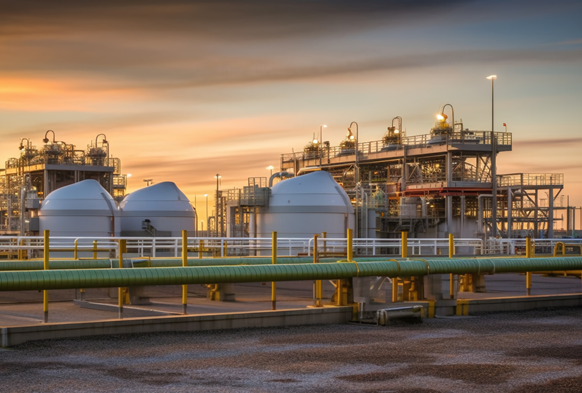
Main producing reservoirs targeted by Phase II sit deeper than 5,000 metres beneath the seabed, where downhole temperatures peak above 200 degrees Celsius and elevated formation pressure creates complex operating constraints. Site engineering teams adopt highly customised drilling frameworks tailored to distinct geological zones, deploying upgraded heavy-duty drilling machinery to meet extreme downhole conditions.
Cross-institutional technical collaboration has delivered an indigenous high-temperature, low-damage drilling fluid formulation engineered specifically for the field’s unique stratigraphy, alongside graded optimisation of loss-circulation control and pressure-bearing sealing workflows. These bespoke measures preserve natural hydrocarbon seepage pathways within rock formations to maximise resource recovery yields.
Compact well grid layouts across the WHPG platform introduce elevated collision risks between adjacent boreholes. Project engineers refine three-dimensional well trajectory modelling and deploy continuous full-lifecycle real-time anti-collision early warning algorithms, enabling precise penetration of thin, narrowly distributed pay zones. Specialist workstreams advance deep-well cementation and long-term borehole integrity technology, sustaining reliable permanent sealing throughout the full production lifespan of each wellbore.
All drilling activity linked to the three Phase II wellhead platforms integrates end-to-end remote centralised control infrastructure, which streams live operational metrics including hook load, rotary torque, pump pressure and fluid displacement volume to trigger automated intelligent risk alerts, mitigating safety hazards inherent to ultra-deep offshore drilling via digital operational architecture.
Domestically pioneered offshore oil and gas exploration and production technology underpins every stage of the Phase II development rollout. Once all construction and drilling phases reach completion, the full expansion will unlock additional productive capacity from the trillion-cubic-metre gas field, supporting nationwide campaigns to boost verified hydrocarbon reserves and ramp up domestic energy output volumes.
Ongoing field trials of autonomous drilling monitoring systems and low-emission offshore operational frameworks will generate replicable technical blueprints for deep high-temperature high-pressure gas reservoirs across China’s coastal offshore basins.
热门内容推荐