China’s Trendy Retail Market Booms, Brands Adopt Divergent Strategies to Beat Homogenization
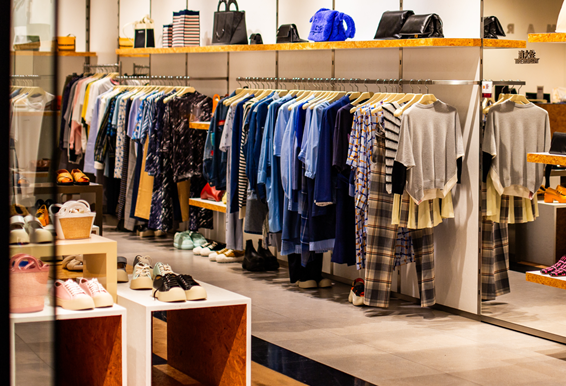
Walk into any large shopping mall across China, and visitors will encounter a dense lineup of trendy lifestyle retail brands. MINISO, The Green Party, Lingli, KKV and M&G Wooderful Life stores consistently occupy prime retail spaces from basement levels to second floors.
Featuring diverse product selections, refined in-store displays and approachable price points, these specialty retailers resonate strongly with young shoppers looking for low-pressure browsing and spontaneous purchases.
While consumer familiarity with the shopping model continues to grow, market competition among trendy retail chains has grown increasingly fierce.
China’s trendy retail segment has maintained robust expansion in recent years.
According to Frost & Sullivan data, the domestic trendy retail market grew from 1.51 trillion yuan to 2.534 trillion yuan between 2017 and 2021, posting a compound annual growth rate of 13.8 percent.
Industry estimates indicate the market size will climb to 5.403 trillion yuan in 2026. A 2023 industry report focused on China’s trendy toy sector also projects domestic trendy toy retail sales will surpass one trillion yuan in 2026.
Though all brands operate within the same fast-growing consumer track, individual operators have built distinctly different business models and expansion roadmaps.
热门内容推荐