China Unveils First National Urban Renewal Master Plan for the 15th Five-Year Period
According to China Securities Journal, the State Council Information Office held a regular policy press briefing on 8 June to release details of the National Urban Renewal Plan for the 15th Five-Year Plan period. The document marks the first dedicated national-level special guideline for urban renewal, defining quantified targets, core tasks and flagship infrastructure projects for 2026 to 2030.
Central fiscal authorities will maintain robust financial backing for nationwide urban renewal throughout the five-year cycle, with targeted policy tweaks rolled out to improve capital utilisation efficiency. The National Development and Reform Commission will back local governments to unlock idle urban assets via tailored approaches, expand diversified financial services and encourage private enterprises to participate in the construction and operation of municipal infrastructure.
Three parallel project clusters covering livelihood, industrial development and urban safety are laid out in the updated guideline. Livelihood-focused schemes prioritise high-quality residential building upgrades, ageing residential compound retrofits and integrated community construction. The plan also targets improved public service amenities, streamlined urban road networks and ecological restoration to upgrade residential living environments.
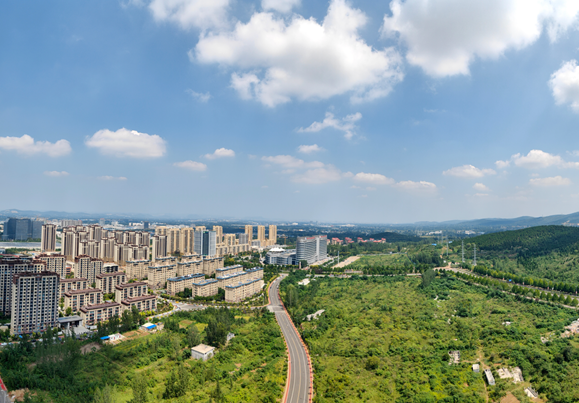
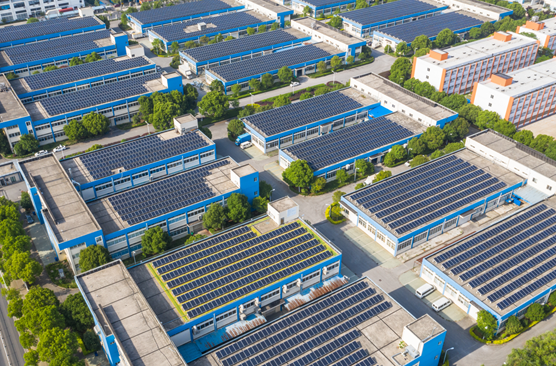
Industrial development-oriented initiatives aim to tap idle urban stock resources. Local authorities will carry out functional revamps for outdated urban blocks and abandoned factory zones, creating space for emerging digital and service-oriented industries. The updated urban renewal framework will boost domestic demand, stabilise macroeconomic growth and foster new urban economic drivers.
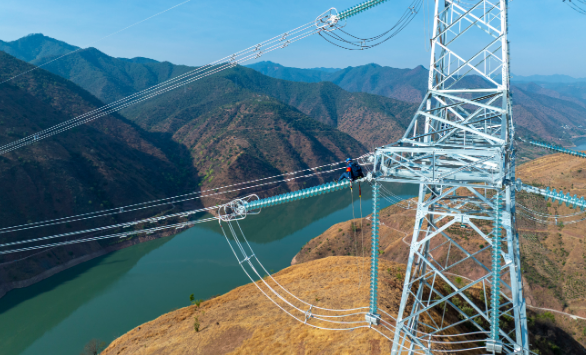
Urban safety enhancement measures cover dilapidated housing and urban village renovation, alongside structural upgrades for ageing municipal infrastructure. The Ministry of Housing and Urban-Rural Development confirmed roughly 770,000 kilometres of underground pipelines will be constructed or renovated across the 15th Five-Year term. The pipeline portfolio includes 200,000 kilometres of gas pipelines, 175,000 kilometres of water supply and drainage pipelines respectively, 100,000 kilometres of sewage pipelines and 120,000 kilometres of heating pipelines. The large-scale pipeline overhaul will generate substantial effective social investment while strengthening urban risk response capacity.
China’s fiscal support framework for urban renewal has entered formal implementation since 2024. Jointly launched by the Ministry of Finance and the housing ministry, pilot programmes have covered 50 major cities including Beijing, Shanghai, Chengdu and Urumqi. These pilot locations will refine replicable operational mechanisms for urban renewal in the next five years, with central departments rolling out verified practices nationwide after field assessment. Qualified urban renewal operators will access existing tax incentive policies alongside direct fiscal subsidies.
Supplementary fiscal tools will be optimised to match evolving urban operational demands. Regulators will prioritise targeted fund allocation, cross-departmental policy coordination and institutional innovation, adopting differentiated implementation strategies based on regional urban development gaps.
The National Development and Reform Commission will coordinate tangible capital investment and intangible urban governance improvements. For hard infrastructure investment, authorities will prioritise public safety and livelihood projects following the principle of handling urgent renovations first. Ultra-long-term special national treasury bonds under two major national infrastructure schemes will fund underground pipeline upgrades. Official data shows CNY 97 billion of central budgetary investment will be allocated for urban renewal in 2026 alone.
For soft governance upgrades, the people-centred urban development philosophy will be embedded in project planning and daily municipal maintenance. Regulators will diversify investment participants by engaging residential communities and private market players. Central investment will offer directional guidance for innovative, replicable urban renewal financing models across regional jurisdictions.
热门内容推荐