China Unveils National Urban Renewal Plan for 2026–2030, Laying Out Four-tier Upgrade Framework for Urban Living Spaces
According to China Government Network, multiple central government departments including the Ministry of Housing and Urban-Rural Development elaborated on the implementation arrangements of the Urban Renewal Plan for the 15th Five-Year Plan Period at a regular State Council policy briefing held on the 8th of the month. The country will launch renovation works for 115,000 old urban residential communities in the five-year cycle ahead.
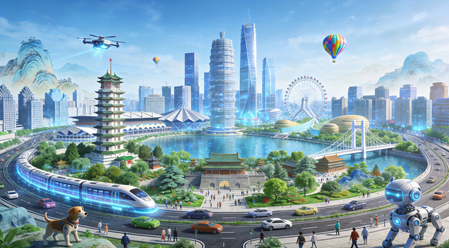
This new document marks the first dedicated national special plan tailored exclusively for China’s urban renewal initiatives, spelling out quantified development targets, priority tasks and landmark engineering schemes for the 2026–2030 period.
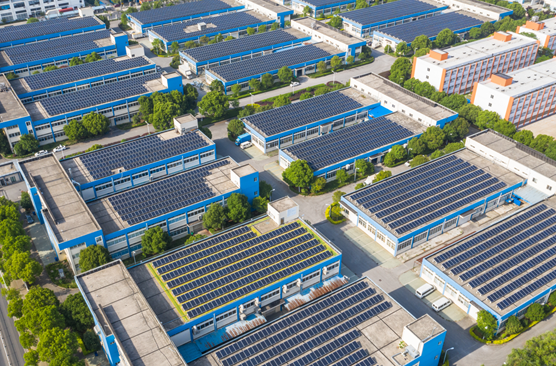
A housing quality improvement initiative will be rolled out to construct safe, comfortable, eco-friendly and smart residential buildings across the country. New residential developments will see full-chain upgrades covering design standards, building materials, construction techniques and post-completion operation and maintenance, alongside strict enforcement of the National Residential Project Code and optimised internal layout designs for residential units. Homeowners will receive backing to carry out self-funded interior refurbishment and renovation for older dwellings, with prefabricated decoration, age-friendly adaptation and accessibility upgrades widely promoted to support independent renewal of ageing housing stocks. A batch of technology-focused research projects will also be deployed to tackle core technical bottlenecks and inject technological momentum into high-quality residential construction.
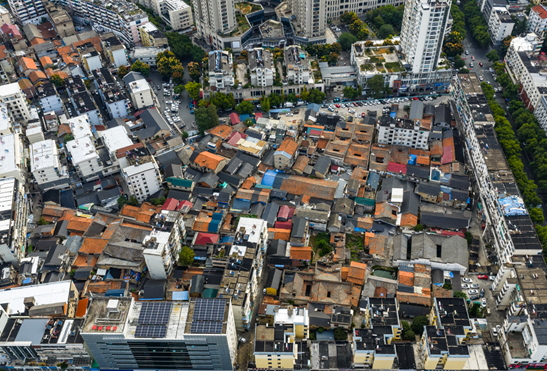
Renovation programmes targeting old urban residential communities will be advanced in parallel. Utility networks for gas, water supply and district heating as well as internal road systems within residential compounds will undergo comprehensive revamps, and lift installations will be added to eligible multi-storey apartment blocks. Public open spaces and supporting amenities inside communities will be remodelled to lift overall living conditions. Long-term property management frameworks will be established alongside physical renovation works, with professional property services introduced and resident participation encouraged to sustain the outcomes of community upgrades.
A scaled-up and upgraded complete community development programme will cover 5,000 urban neighbourhoods. Newly built elderly care, childcare and other public service facilities will fill service gaps, while extra public activity zones and urban green spaces will be developed in line with local conditions. Digital and intelligent transformation of community service systems will move forward to match residents’ evolving living demands. Renovation and functional restructuring will also be carried out for 1,500 outdated urban blocks and former factory zones, enabling industrial restructuring, commercial vitality restoration and upgraded public space quality while fixing infrastructure and public service shortfalls.
City-level optimisation work will centre on better public service provision and refined integrated urban transport networks. Idle urban land and existing built resources will be fully tapped to remedy shortages in public amenities, with expanded construction and upgrading of facilities for elderly care, childcare, cultural activities and sports services aligned with demographic shifts and social needs. Urban road networks will be restructured to boost traffic efficiency, and inadequate parking infrastructure will be expanded to deliver smoother commutes and enhanced daily convenience for city dwellers.
The whole set of engineering packages will be phased into construction and operation in the coming years. Implementation timetables will be formulated locally based on actual urban conditions, with resource allocation arranged rationally to deliver tangible improvements to urban living environments across different tiers of cities nationwide.
热门内容推荐