Xizang Unveils Modern Industrial System under 15th Five-Year Development Plan
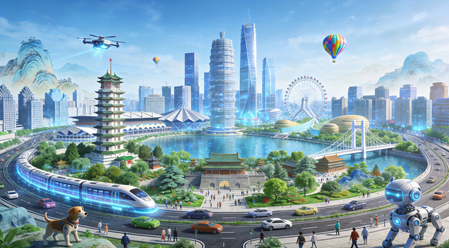
Xizang Autonomous Region has officially released its development blueprint for the 15th Five-Year Plan period at a special press conference held in Lhasa. The new guideline highlights a distinctive “4+4+X” modern industrial framework tailored to plateau characteristics, driving high-quality industrial upgrading, clean energy expansion and comprehensive livelihood improvement across the region.
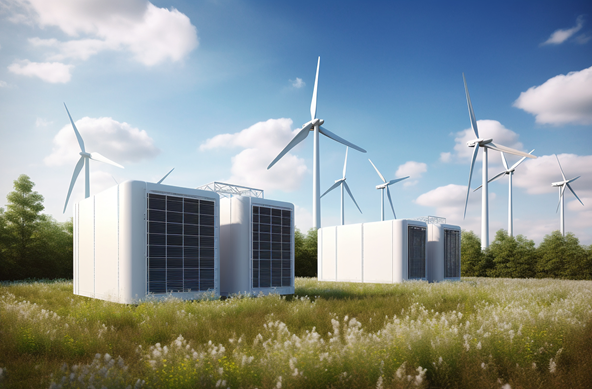
The “4+4+X” industrial system builds a multi-tiered development structure covering pillar industries, foundational sectors and emerging growth drivers. The first four core pillar industries include plateau characteristic agriculture and animal husbandry, clean energy, strategic resources and cultural tourism. The four supporting foundational industries consist of construction and building materials, plateau light industry, Tibetan medicine and border trade logistics. The “X” component focuses on emerging productive forces such as digital economy, low-altitude economy, energy storage, geothermal power and green hydrogen.
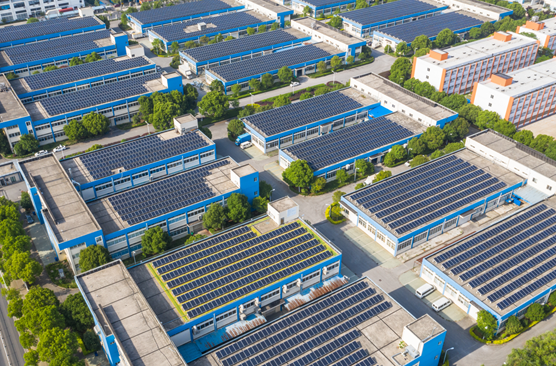
Clean energy takes top priority in Xizang’s industrial layout, leveraging the region’s abundant renewable energy resources. The region targets a total installed power capacity of around 60 million kilowatts by the end of the 15th Five-Year period, with another 120 million kilowatts under construction. Clean energy already dominates Xizang’s power structure, accounting for 97 percent of total installed capacity and nearly 100 percent of local power generation.
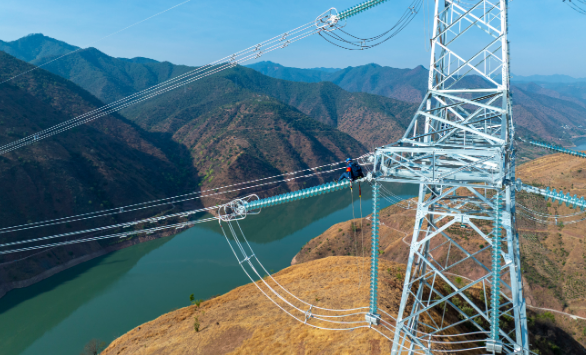
Advanced power transmission technology enables efficient green energy delivery. Ultra-high voltage direct current technology allows local clean power to travel 1,900 kilometres to Hubei Province in merely six milliseconds. Large-scale water-solar-wind integrated bases along the upper Jinsha River, upper Lancang River and southeastern Xizang basins are advancing steadily, solidifying the region’s role in China’s west-to-east power transmission strategy. By 2030, Xizang will form a plateau model for new energy systems and strengthen its position as a key clean energy hub.
The region is advancing industrial chain optimisation alongside energy development. It will launch demonstration projects for major technical equipment tailored to plateau conditions and promote integrated development between clean energy, mining and transportation sectors to extend industrial value chains.
Technological innovation continues to improve living standards for local residents. During the 14th Five-Year period, specially designed plateau kitchen appliances were developed to solve high-altitude boiling point challenges, covering electric kettles, steam cookers and traditional butter tea processors, which have been widely adopted in local households. More technological investment will be channelled into heating and oxygen supply, medical services and digital education in the next development phase.
Comprehensive livelihood upgrades are embedded in the new development plan. Large-scale vocational skill training programmes will be carried out to boost local employment capabilities. The region will add 104,000 kindergarten and basic education enrolment quotas and build 50 typical application scenarios for AI-enabled education. Two national regional medical centres, namely West China Hospital Xizang Branch and West China Second University Hospital Xizang Branch, will be constructed to enhance local medical services, supporting a rise in average life expectancy to 74.7 years.
The systematic industrial layout and people-centred development initiatives will further unlock Xizang’s unique resource advantages, foster new quality productive forces and fuel sustainable economic and social progress across the plateau region.
热门内容推荐