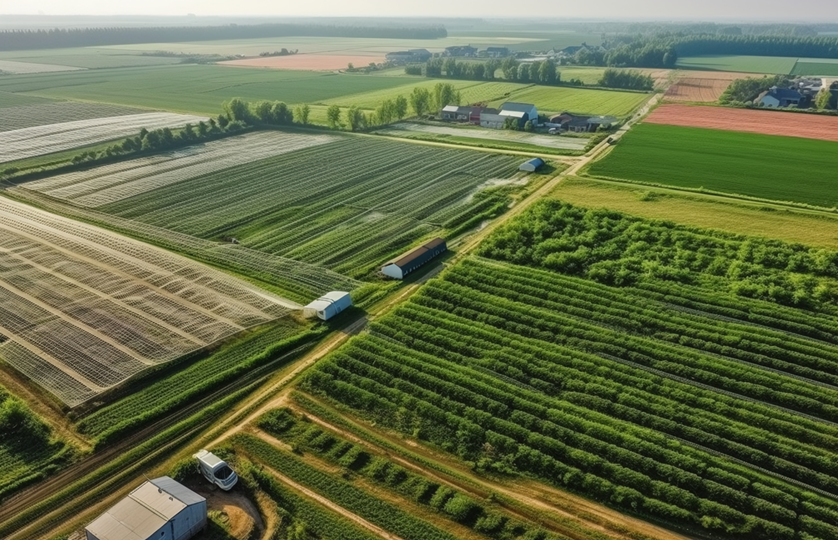
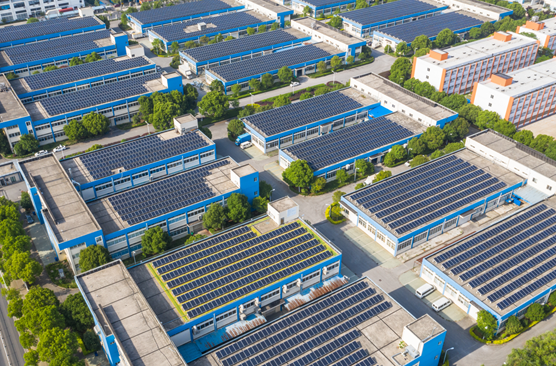
China Plans Over 5 Trillion Yuan Investment in New Power Grid During 15th Five-Year Plan
China will invest more than 5 trillion yuan in constructing a new-type power grid throughout the 15th Five-Year Plan period, accelerating the upgrade of national power infrastructure to adapt to booming new energy development and evolving power demand structures.
China has established a large-scale, safe and technologically advanced interconnected national power grid. The robust grid system supports an annual electricity consumption exceeding 10 trillion kilowatt-hours and accommodates more than 1.8 billion kilowatts of installed new energy capacity, laying a solid foundation for national energy security and green industrial transformation.
Growing new energy integration demands and imbalanced regional power supply and demand have increased the operational complexity of power networks across the country. The construction of a safer, low-carbon, resilient and intelligent new-type grid has become essential to match the rapid expansion of renewable energy and diversified power consumption scenarios.
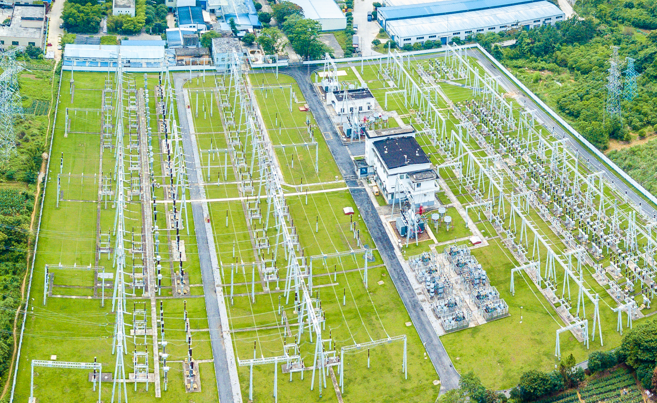
Multiple key grid projects are advancing nationwide to optimise China’s energy structure. In Zhejiang, a major power transmission project with an investment of 1.5 billion yuan has been completed to guarantee stable power delivery for the San’ao nuclear power plant. The project includes 301 new transmission towers and 128.09 kilometres of power lines, adopting digital and intelligent technologies to strengthen the outward transmission capacity of clean nuclear power resources.
Grid upgrading construction is also underway in Chengdu, Sichuan Province. The Huaizhou distribution network project will deliver clean hydropower generated in western Sichuan to the Jintang Zero-Carbon Park, supporting the low-carbon development of industrial parks and local green economic growth.
A series of systematic grid optimisation plans will be implemented in the next five years. The country will build new inter-provincial power transmission channels and mutual aid projects, optimise ultra-high voltage power grids in a zonal layout, and carry out renovation programmes for urban distribution networks, underdeveloped county-level power facilities and rural power grids with frequent power outages.
The new-type power grid serves as a modernised energy infrastructure tailored to rising power demand, expanding renewable energy penetration and emerging power industry formats. Continuous large-scale investment will further consolidate national energy security, convert abundant wind, solar and hydropower resources into stable clean electricity, and underpin high-quality socioeconomic development through optimised energy allocation.
热门内容推荐