China’s Vegetable Consumption Upgrades, with High-Quality and Specialized Products Gaining Popularity
With the continuous upgrading of residents’ dietary structures and the rising demand for healthy eating, China’s vegetable consumption is showing a steady growth trend, with remarkable optimization of consumption structure. Specialized and high-quality vegetables such as sunflower sprouts have become new favorites in the market, while fresh, safe and convenient products are gradually leading the consumption trend.
China Economic News reports that sunflower sprouts, germinated from selected sunflower seeds, are a kind of sprout vegetable with high nutritional density. Rich in essential minerals such as zinc, magnesium and iron, as well as B vitamins and vitamin E, they have won great popularity among consumers with their fresh and tender taste, becoming a new highlight in the light food and health preservation fields in recent years.
Currently, sunflower sprouts cultivated in vertical factories have been stably supplied to more than 300 restaurants, with an annual sales volume of about 800,000 boxes, reflecting strong market demand for specialized and nutritious vegetables. This consumption trend is also confirmed by relevant industry reports and market performance.
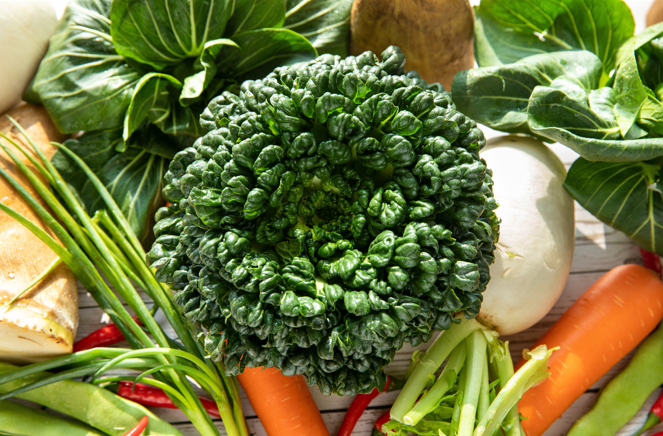
The China Agricultural Outlook Report (2026-2035), released by the Market Analysis and Early Warning Team of the Ministry of Agriculture and Rural Affairs, shows that driven by urbanization and consumption diversification, China’s vegetable consumption will maintain steady growth, with the consumption structure continuously optimized. It is estimated that vegetable consumption will reach 650 million tons in 2026 and 668 million tons in 2035.
People’s Network notes that urban and rural residents’ awareness of nutritional needs for vegetables is constantly improving, and they are more inclined to obtain natural nutrients from vegetables, which promotes the steady growth of vegetable consumption. This change is also reflected in the market layout of major supermarkets and the innovation of consumption models.
At JD Seven Fresh Supermarkets, a variety of high-quality vegetables, including safe ginger, selenium-enriched broccoli, mini fruit colored peppers and Yunnan Jingmai Mountain snow peas, attract numerous citizens to purchase. Since the end of 2025, the supermarket has launched the “24-Hour Fresh” series, which requires vegetables to be delivered from the place of origin to the store within 24 hours and sold only for one day after arrival.
The “24-Hour Fresh” series has received a warm market response. Within more than a month of its launch, it has driven a year-on-year increase of 215% in sales of similar vegetables, with some varieties such as fennel and spinach sprouts growing by more than 100% month-on-month, indicating that consumers are increasingly willing to pay for quantifiable freshness.
In addition to freshness, consumers’ attention to food safety is also rising. In 2025, the number of users purchasing organic products in JD Seven Fresh Supermarkets surged, with sales volume and sales of organic vegetables both increasing by more than 100% year-on-year, and their proportion in the entire vegetable category has also increased significantly.
Consumers’ pursuit of safety is shifting from “conceptual recognition” to “active verification”. On the Seven Fresh APP, clicking the “full traceability” mark on the product page or scanning the traceability QR code on the outer packaging before purchase has become a common habit of more and more consumers. The daily search volume of relevant keywords and the daily scanning volume of QR codes have increased significantly.
Currently, China’s vegetable consumption is in a critical period of structural adjustment and quality upgrading. The development of protected agriculture and cold chain logistics has reduced circulation losses and enriched the supply of varieties, while new circulation models such as e-commerce have broadened consumption channels.
In the future, with the in-depth popularization of healthy consumption concepts, the proportion of consumption of green, organic and functional vegetables will steadily increase. The proportion of fresh vegetable consumption is expected to rise from 44.3% in 2026 to 45.0% in 2035, and the proportion of processed vegetable consumption will increase from 23.5% in 2026 to 28.1% in 2035, further promoting the high-quality development of China’s vegetable industry.
热门内容推荐