China Advances Employment-Friendly Development Model to Boost High-Quality Full Employment
As China’s economy transitions from a phase of high-speed growth to high-quality development, it faces higher requirements for quality, efficiency, structural optimization and innovation-driven growth amid accelerating technological revolution, in-depth industrial transformation and continuous demographic adjustments. The coexistence of total employment pressure and structural contradictions has made the employment situation more complex, prompting the adoption of an "employment-friendly development model" that elevates high-quality full employment from an outcome of economic development to a driving force.
An employment-friendly development model takes promoting high-quality full employment as the core goal and evaluation standard in economic and social development. Through institutional design and policy guidance, it fosters positive interaction between technological progress, industrial upgrading, economic growth and employment expansion, quality improvement and structural optimization. Its essence lies in attaching equal importance to employment and economic growth, ensuring the fruits of development are more equitably shared among all workers.
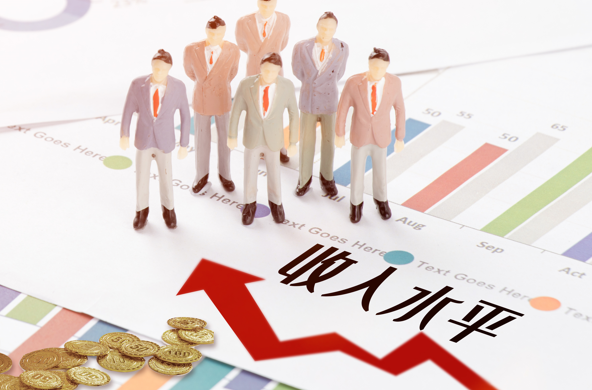
This model features three key characteristics: inclusiveness, adaptability and sustainability. It ensures all workers, especially key groups, can equally participate in development and share its benefits, breaks occupational barriers, eliminates employment discrimination and narrows income gaps. It also adapts economic development to changes in labor supply structure and ensures employment creation is based on long-term healthy economic development.
China Government Network reports that the country has solid foundations and distinct advantages in building an employment-friendly development model. A continuously optimized institutional environment and improving policy system have established a "comprehensive employment" work pattern, with macro-control prioritizing employment and a multi-field policy framework covering finance, taxation and industry.
Boasting the world’s most complete and largest industrial system, China’s diverse industrial structure – ranging from labor-intensive to technology-intensive industries – provides abundant employment options for workers of different skill levels. The vigorous development of the digital economy, which ranks second globally, has spawned a large number of flexible jobs through platform economy and sharing economy.
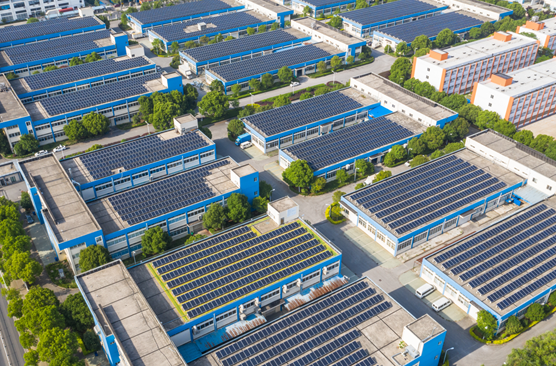
In addition, continuous green transition driven by the "dual carbon" goals has expanded high-quality employment space in clean energy and energy conservation sectors, while rising population quality is accelerating the shift from demographic dividend to talent dividend, laying a solid foundation for innovation-driven development.
To further advance this model, China will integrate employment into top-level design, establish an employment impact assessment mechanism for macroeconomic policies and set binding employment goals. It will cultivate a modern industrial system with high employment elasticity, give play to the main role of small and medium-sized enterprises in employment and stimulate the endogenous motivation of business entities to absorb employment.
Looking ahead, China will strengthen human resource development, improve the dynamic connection between education supply and labor market demand, and improve the high-quality full employment system. By optimizing the labor market system, improving public employment services and expanding the social security network, the country will ensure high-quality full employment amid high-quality economic and social development, paving the way for common prosperity and shaping new competitive advantages in the Chinese economy.
热门内容推荐