2026 SaloneSatellite Award Announced: Craft-Driven Innovation Becomes the Core of Design
On April 22nd, during Milan Design Week, the globally acclaimed SaloneSatellite Award held its 15th awards ceremony. As a supporting exhibition of the Milan International Furniture Fair, SaloneSatellite has always provided a platform for young designers to make their voices heard. With the theme of "Exquisite Craftsmanship + Innovation", this year's award recognizes emerging design practices that take traditional craftsmanship as a catalyst to drive technological innovation. The ceremony witnessed young designers from around the world standing out with works that combine traditional heritage and modern creativity.
Like a satellite of the Earth, SaloneSatellite not only witnesses the changes of the times in the field of design but also becomes an important link balancing the current and future design discourse.
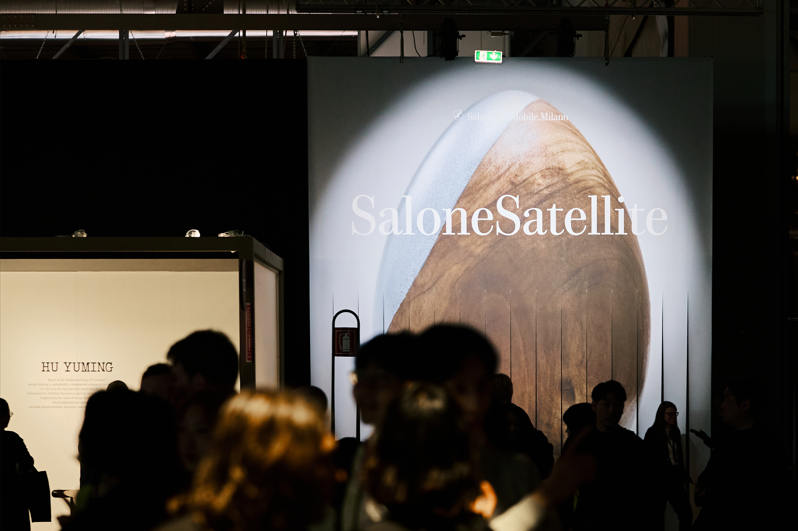
Since its establishment in 2010, the SaloneSatellite Award has gone through 15 years, having recognized a total of 43 young designers from many countries around the world. Its original intention is to further promote the creative achievements of young designers and provide them with more development opportunities, which has always been the core vision of Marva Griffin Wilshire, founder and curator of SaloneSatellite.
The theme of this year's award, "Exquisite Craftsmanship + Innovation", aims to redefine the role of traditional craftsmanship and knowledge systems and explore their great potential as the support for contemporary design innovation. On-site display boards show that this theme advocates combining the latest technological progress with traditional craft systems and repositioning the role of craftsmen—they are no longer opposed to modern innovation, but a catalyst for promoting innovation.
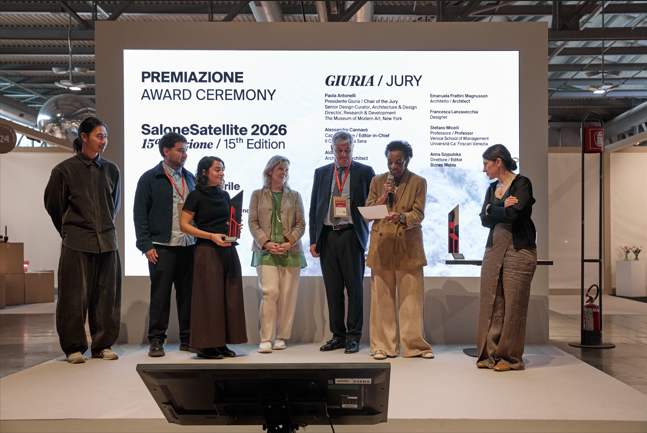
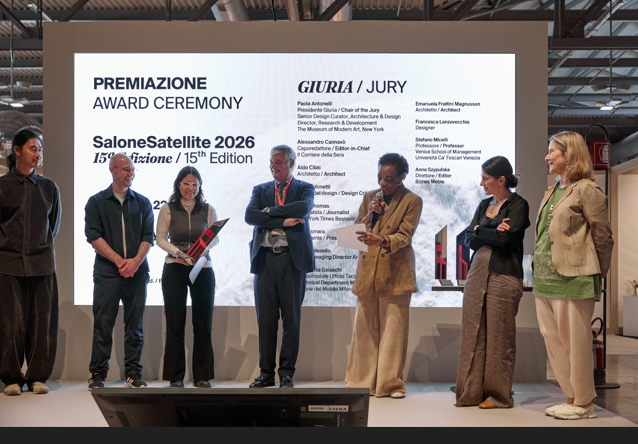
At the award ceremony, the jury of this year's award was chaired by Paola Antonelli, Senior Curator of Architecture and Design at the Museum of Modern Art (MoMA) in New York. The members include well-known architects, designers, design critics, educators, and journalists. Since the establishment of the award, Paola Antonelli has always served as the chairperson of the jury, paying long-term attention to the growth of young designers. The review work she leads has always focused on the integration of craftsmanship and innovation. Many past winners and participants of the SaloneSatellite Award have subsequently grown into outstanding designers, and their works have been included in the collection of the Museum of Modern Art in New York.
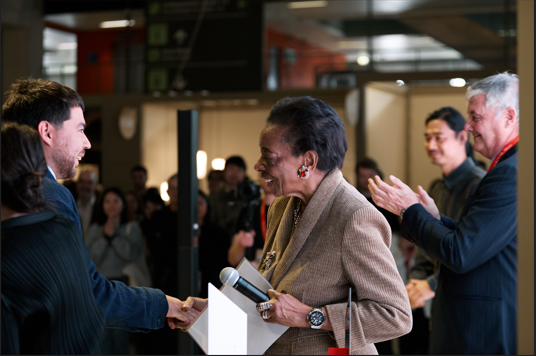
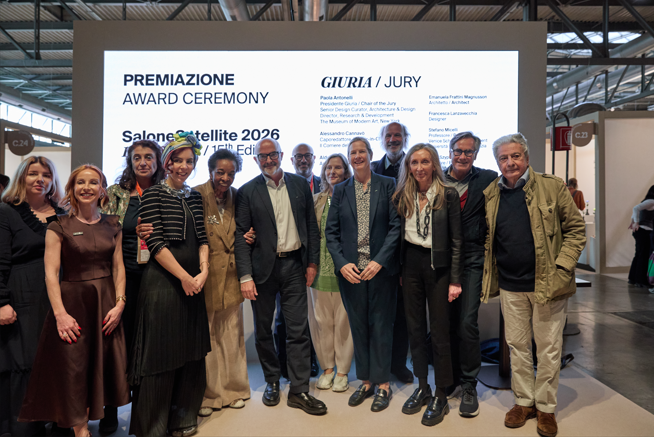
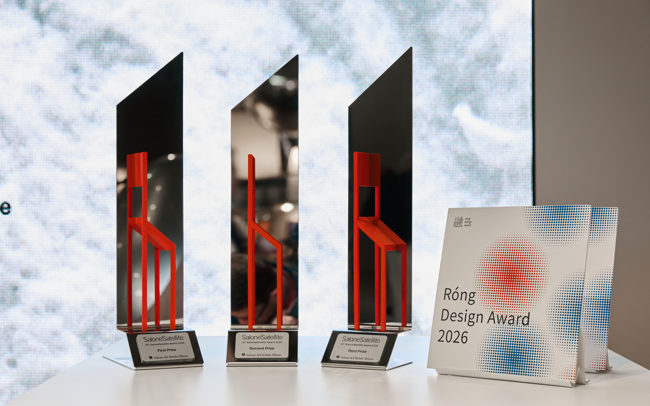
It is reported that this year's SaloneSatellite Award selected 3 regular awards and 2 special nominations. The special nominations are supported by the Rong Design Library, which is backed by the Beijing Contemporary Art Foundation, providing design residency opportunities. All the winning works highlight the integration of technological innovation and manual craftsmanship, injecting care, emotion, tradition, and personalization into the design field dominated by economic and industrial efficiency.
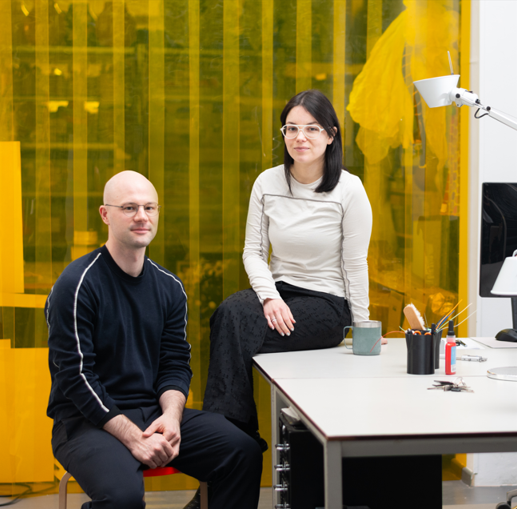
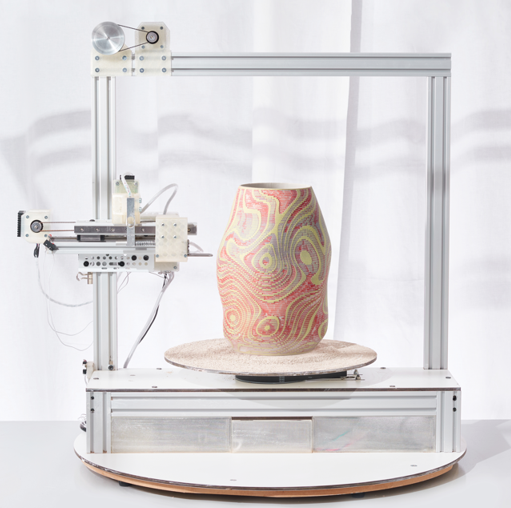
During the on-site award ceremony, the German design studio Jüngerkühn won the third prize with their work "Soft Touch". This work explores the application of digital manufacturing in polishing tactile craftsmanship. Through a dual-axis robotic arm and a turntable to record and respond to the surface of objects, it simulates the manual operation of craftsmen, and finally creates a series of layered carved porcelain vases, which not only present unique textures but also highlight the characteristics of the material itself. The production process of the work was displayed simultaneously on site, attracting many audiences to stop and watch.
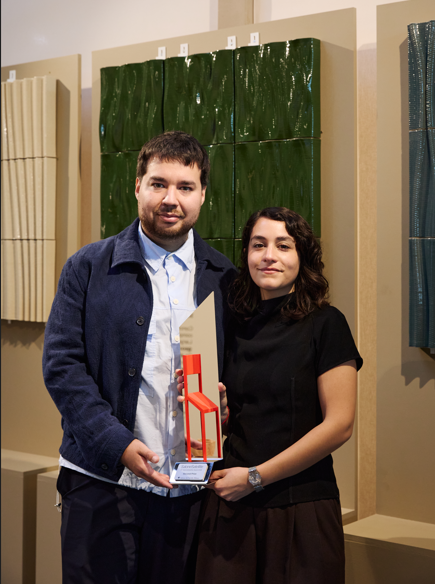
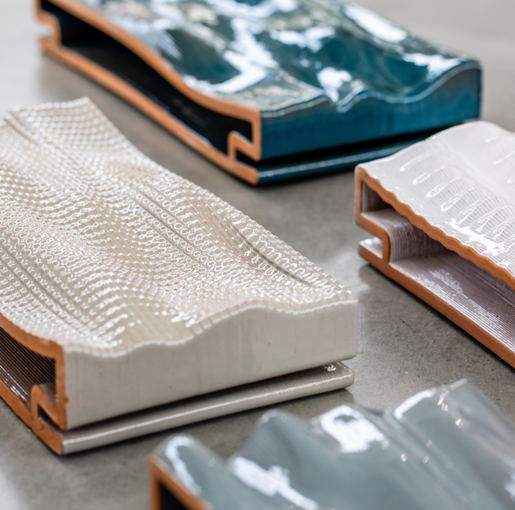
The Ious studio from Rotterdam, the Netherlands, won the second prize with "3DP Ceramic Tiles". This work redefines the characteristics of "traditional" materials such as clay through an experimental manufacturing system and expands their aesthetic and functional possibilities. Reporters saw on site that this work uses 3D printing and computational design technology to make clay into a wall system suitable for the interiors of retail, commercial, hotel, residential, and public buildings. Its design concept aims to break people's stereotypes about traditional and modern materials through the innovative application of computation, artificial intelligence, and digital manufacturing.
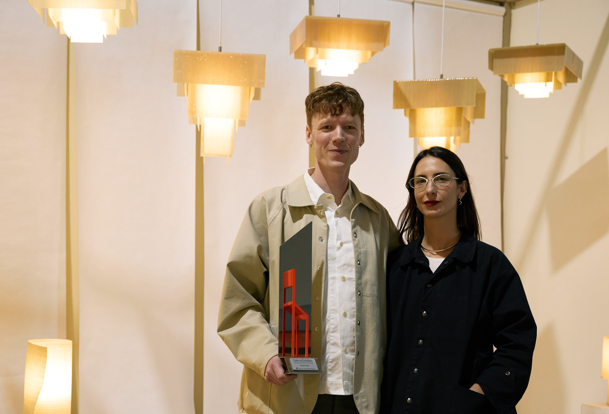
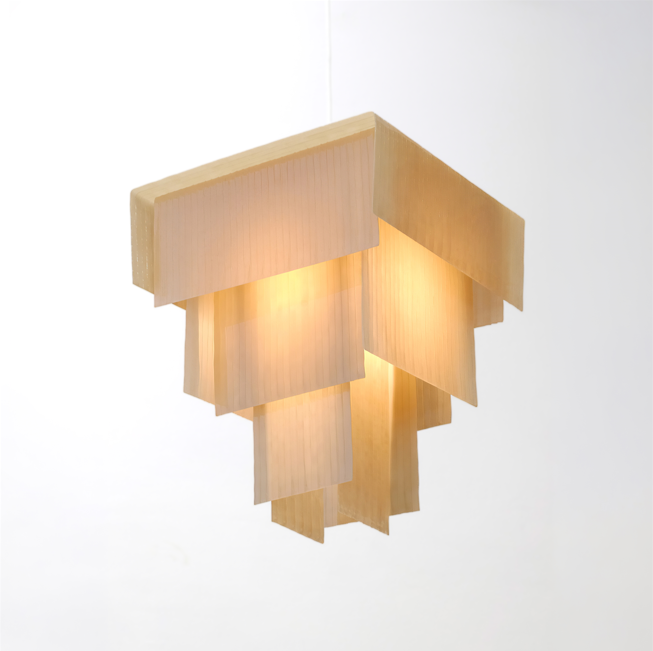
The first prize of this year was won by Russo Betak, a Dutch-Danish lighting designer. His work "Nippon" is a chandelier made of 3D-printed shells and hand-carved. This work belongs to his "Ark" (meaning "thin slice" in Danish) series, which was launched simultaneously during the Milan International Furniture Fair. The chandelier displayed on site retains the smooth texture shaped by hand, perfectly integrating warm printed materials with manual craftsmanship.
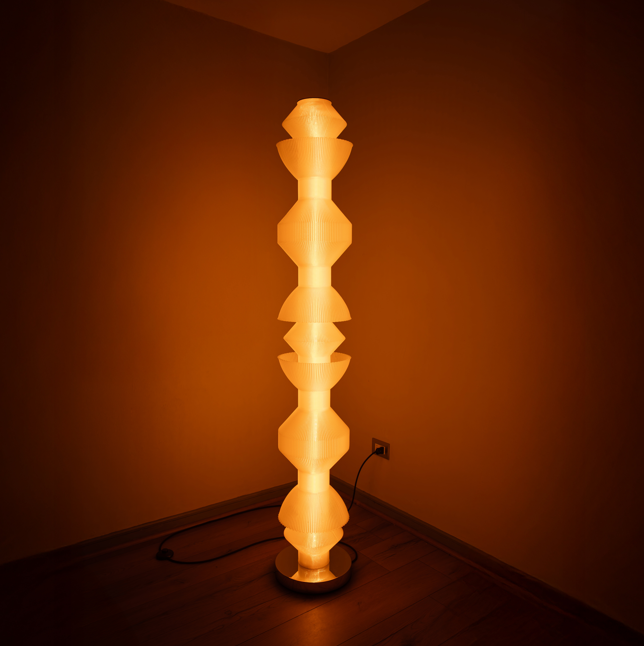
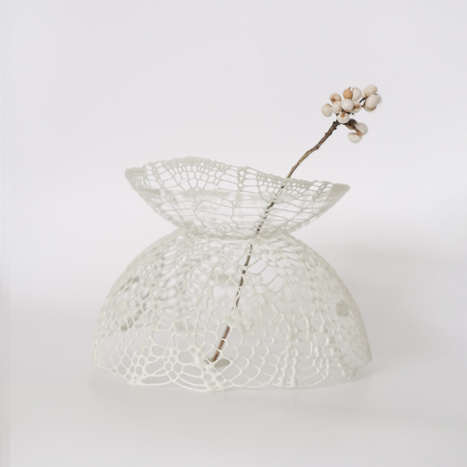
In terms of special nominations, the Chilean design studio Aiko won the award with "Númina Lamp", which is inspired by the weaving techniques of ancestors, combining wicker and horsehair and realized through digital manufacturing; Chinese designer Wang Yixian was recognized with her "Foggy" series, which adopts a resin-free process and uses soft glass fiber fabric to make innovative glass materials, presenting light and intricate textures. It is understood that since cooperating with SaloneSatellite in 2019, the Rong Design Library has continuously promoted cross-cultural dialogue between Chinese traditional craftsmanship and global design forces through design residency opportunities.
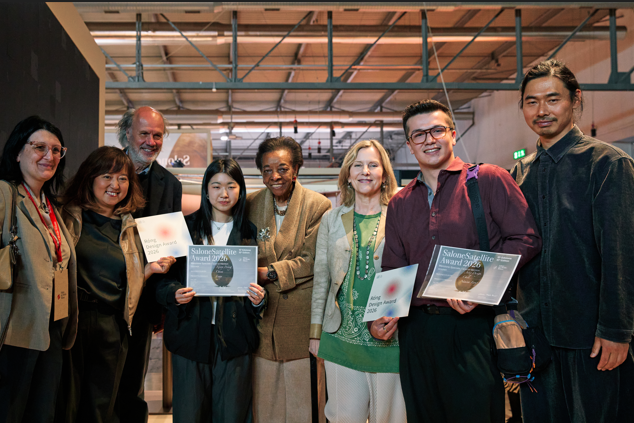
At the on-site exhibition area, it was seen that this year's SaloneSatellite exhibition selected about one-fifth of the works from more than 700 designers under 35 years old from 43 countries for display, and the exhibition area is located at the Milan Rho Exhibition Center. In addition, works from 22 design schools in 39 countries also participated, a format that has continued since it was first launched at the 25th exhibition two years ago.
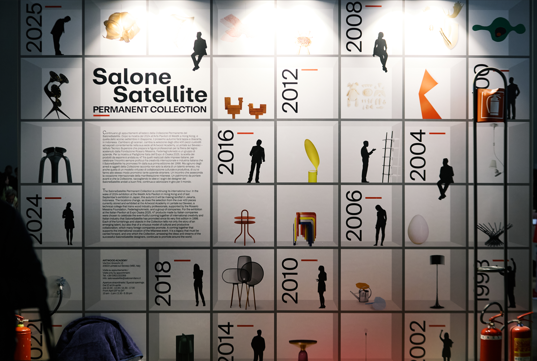
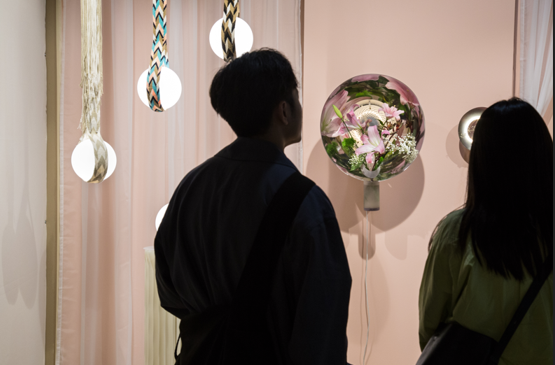
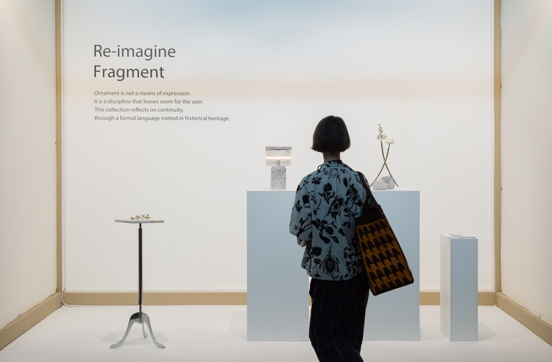
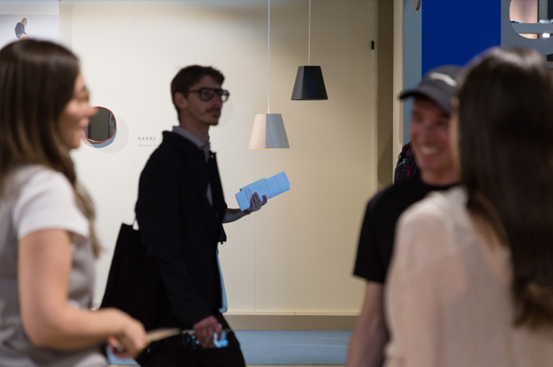
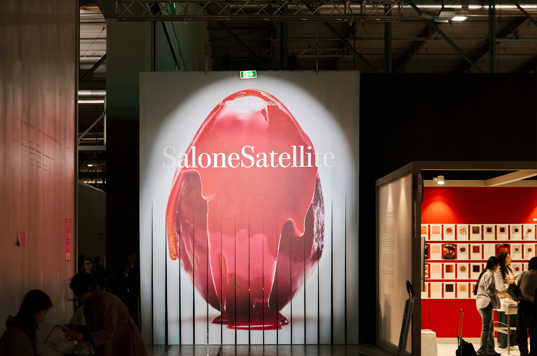
To continue the theme of this year, SaloneSatellite also invited past participating designers to create 12 display boards on site, using materials from their first works exhibited on this platform.(All the images: courtesy of Salone del Mobile.Milano)
热门内容推荐