China Launches Decade-Long Non-Fossil Energy Doubling Plan to Boost Energy Security and Green Transition
As global oil and gas markets grow increasingly volatile, the value of non-fossil energy has become more prominent than ever. Recently, the National Development and Reform Commission (NDRC) announced that China will implement a decade-long non-fossil energy doubling initiative during the 15th Five-Year Plan period, accelerating the construction of a new energy system.
It is estimated that by 2035, the supply scale of non-fossil energy, including wind power, photovoltaic power, hydropower and nuclear power, will double compared with 2025, essentially building "a new clean energy system" in terms of scale. This ambitious goal, a pivotal strategic choice for ensuring energy security and advancing green transition, marks a significant milestone in China’s energy transformation history.

The launch of this initiative comes amid a historic shift in the global energy landscape, characterized by frequent geopolitical conflicts, fragile traditional energy supply chains and sharp fluctuations in international oil and gas prices. As a major energy consumer, China has long faced the pressure of high external dependence on oil and gas resources. Accelerating the replacement of fossil fuels with non-fossil energy is the fundamental way to reduce reliance on the international energy market and secure its own energy supply.
From the perspective of the "dual carbon" commitment, doubling non-fossil energy is a core measure to achieve carbon peaking and carbon neutrality. Energy activities account for the main part of China’s carbon emissions, and only by greatly increasing the proportion of clean energy can emissions from fossil fuel combustion be reduced at the source, fulfilling China’s solemn commitment to the world and promoting the comprehensive green transition of economic and social development.
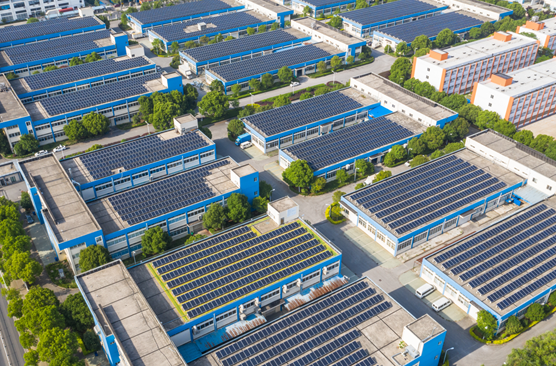
China Government Network reports that China’s non-fossil energy consumption ratio will exceed the 20% target in 2025, with new wind and photovoltaic installed capacity expected to reach about 370 million kilowatts and their power generation accounting for about 22% of total social electricity consumption. This solid foundation provides strong support for the decade-long doubling plan.
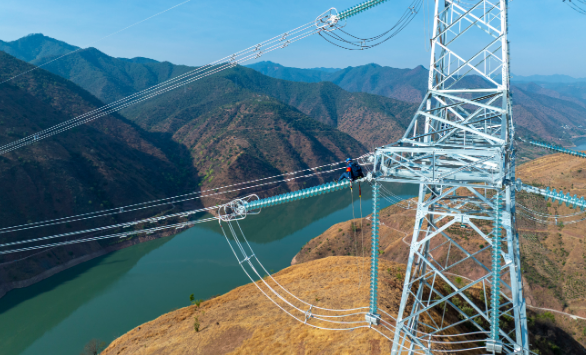
The initiative is not a single-field effort but a systematic reform supported by a new energy system. On the supply side, non-fossil energy will play a leading role, with key projects including large hydropower bases in Southwest China, large wind and solar bases in desert and Gobi areas, offshore wind power clusters and coastal nuclear power projects promoted to form a stable clean energy supply matrix.
Fossil energy will serve as a stabilizer, with a phased and orderly replacement carried out to ensure energy security and power supply balance. On the transmission and consumption side, a new power system will be built, including smart grids, large-scale energy storage and UHV power transmission, to solve the intermittency problem of wind and solar power.
Despite challenges such as intermittent renewable energy supply, grid absorption bottlenecks and cost pressures, China boasts global-leading industrial chain advantages, technological accumulation and engineering capabilities in the new energy sector. The decade-long non-fossil energy doubling initiative is not only a adjustment of China’s energy structure, but also a strategic layout to transform China from an energy giant into an energy power, seizing the commanding height in the global green and low-carbon race.
热门内容推荐