Shenzhen Proposes Legislation to Safeguard Prepaid Consumption with 7-Day Cooling-Off Period
To address long-standing public concerns such as business closures after prepaid card issuance, difficulty in obtaining refunds and unfair standard clauses, Shenzhen is planning to introduce special economic zone legislation to protect consumers’ rights in prepaid consumption, according to Shenzhen Special Zone Daily.
Recently, the Shenzhen Municipal Bureau of Justice issued a notice, seeking public opinions on the “Several Provisions on the Administration of Prepaid Operations in the Shenzhen Special Economic Zone (Draft for Comment)”, which consists of 31 articles covering the entire chain of access standards, operation control, joint supervision, risk disposal and disciplinary constraints.
Notably, the draft introduces a pioneering 7-day cooling-off period, allowing consumers to request an unconditional refund within seven days of paying the prepayment if no goods or services have been provided. This measure effectively curbs induced large-sum prepayments and provides consumers with a legal “right to regret” amid aggressive business promotions.
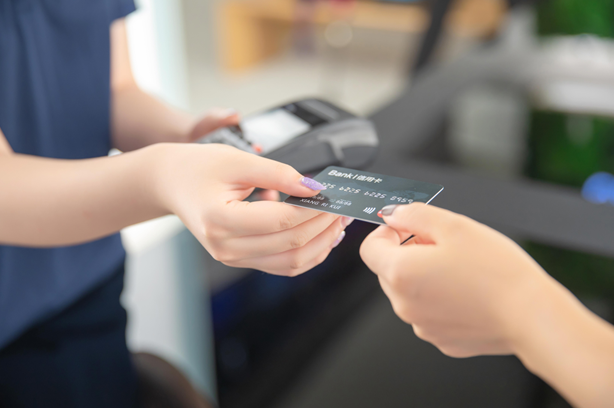
To tackle the root cause of business closures—misappropriation of prepayments—the draft requires operators to take safety measures for pre-collected funds, such as depositing them in commercial banks, using digital RMB wallets or purchasing performance guarantee insurance. This ensures prepayments are not mixed with operators’ own funds and are disbursed based on consumption progress, locking in fund security from the source.
It also sets clear ceilings for prepayments in high-risk industries to prevent excessive consumer losses. For instance, prepayments for gym memberships, beauty salons, massage services and off-campus training shall not exceed 5,000 yuan, with training services limited to three months, directly addressing the pain point of induced over-spending.
Seven types of unfair standard clauses are explicitly deemed invalid, including “final interpretation rights belong to the store” and “no refunds after sale”, which are common in prepaid contracts, according to the draft. This move makes such unfair “store rules” legally ineffective.
A unified city-wide dual-platform supervision system is also proposed, including an internal risk monitoring and early warning system and a public information platform for consumers to inquire, upgrading supervision from passive response to active early warning, noted the Shenzhen Municipal Bureau of Justice.
With a maximum fine of 500,000 yuan and clear division of departmental responsibilities, the draft strengthens law enforcement rigidity. It aims to eradicate industry irregularities, boosting consumer confidence in prepaid consumption. The public can submit opinions via the bureau’s official website by May 11, 2026, to promote the early introduction of the regulation.
The legislation aligns with the Supreme People’s Court’s judicial interpretation on prepaid consumption disputes implemented in May 2025, which clarifies the rights and obligations of both parties and addresses issues like refund refusals and malicious closures, according to the Futian District People’s Court of Shenzhen.