Report on New Energy System Released, Highlighting Synergy Between Energy and Industry Sectors
Recently, the Center for Energy Economics Research of the Chinese Academy of Social Sciences (CASS) and Social Sciences Academic Press co-hosted a seminar on the progress and prospects of new energy system construction, along with the launch event of the Frontier Report on China’s Energy Development (2025). The Frontier Report on China’s Energy Development (2025): Progress and Prospects of New Energy System Construction (hereinafter referred to as the Report) was released at the event.
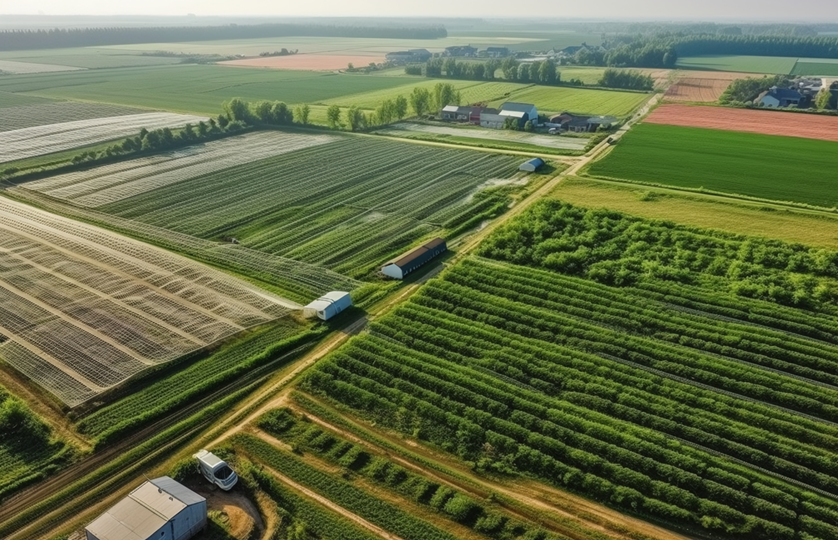
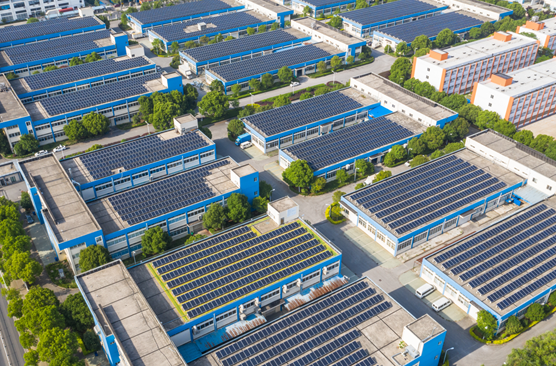
According to China.org.cn, the Report points out that China’s green transition practices have shown that the synergy and complementarity between the energy system and the industrial system have become the core engine driving high-quality development. Guided by the "dual carbon" goals, China’s clean energy system has expanded rapidly, with continuous breakthroughs in cutting-edge technologies such as wind, solar, hydrogen and energy storage.

Meanwhile, the modern industrial system is accelerating its transformation towards high-end, intelligent and green development, with rapid growth of industrial clusters such as new energy, new materials and intelligent manufacturing. The new energy system and the modern industrial system are highly coupled in terms of resource allocation, spatial layout, technical systems and institutional mechanisms, driving China’s economy to achieve multiple goals of green growth, structural optimization and kinetic energy conversion.
The Report notes that China has initially formed an energy-industry synergy mechanism based on technological synergy, centered on governance synergy and guaranteed by spatial synergy in the process of green transition. This mechanism breaks traditional departmental boundaries and realizes a paradigm shift from energy supporting industry to two-way integration of energy and industry.
According to the Report, the coordinated development of China’s energy and industrial systems also faces practical challenges, including high costs of green technologies, unbalanced regional development, insufficient supporting infrastructure, potential supply chain risks and increased uncertainty due to intensified global climate governance games.
To promote in-depth coordinated development between the new energy system and the modern industrial system, the Report puts forward four policy suggestions. Firstly, accelerate the development and application of clean and intelligent energy technologies to strengthen the key role of technological progress in the interaction between the two systems. Secondly, promote regional coordinated development and spatial structure optimization to improve system synergy efficiency through regional coordination and spatial restructuring.
Thirdly, deepen international cooperation to enhance the resilience of supply chains in the energy and industrial systems. Fourthly, establish an institutionalized synergy mechanism, coordinate policy tools and market forces, and promote the energy-industry synergy mechanism to shift from fragmented policies to an institutionalized governance system.
According to China Government Network, China will overfulfill the target of 20% non-fossil energy consumption in 2025, with the added installed capacity of wind and solar power expected to reach about 370 million kilowatts, which provides solid practice support for the coordinated development of the two systems.