Energy Crisis Underscores Need for Accelerated Transition, China’s Experience Offers Pathway: Liu Zhenmin
VIENNA, April 12 -- The ongoing global energy crisis has laid bare the profound risks of over-reliance on imported fossil fuels, necessitating a fundamental rethink of national energy security strategies and a swifter transition to cleaner alternatives, according to Liu Zhenmin, China’s Special Envoy for Climate Change.
Speaking on the sidelines of the Vienna International Energy and Climate Forum, which opened on April 9 under the theme "Powering Prosperity, Security and Stability," Liu emphasized that China’s journey demonstrates that scaling up renewable energy is a proven strategy to bolster energy security and systemic resilience. The forum, co-hosted by the United Nations Industrial Development Organization (UNIDO) and the Austrian Federal Ministry, convened global stakeholders to address interconnected energy, climate, and economic challenges.

"In the short term, the energy crisis may act as a drag on economic growth in numerous countries," Liu stated, according to Xinhua News Agency. "But over the long term, it serves as a critical warning: nations cannot afford to depend excessively on imported energy from single sources or types." He stressed that the current geopolitical volatility and supply disruptions reinforce the urgency of diversifying energy portfolios.
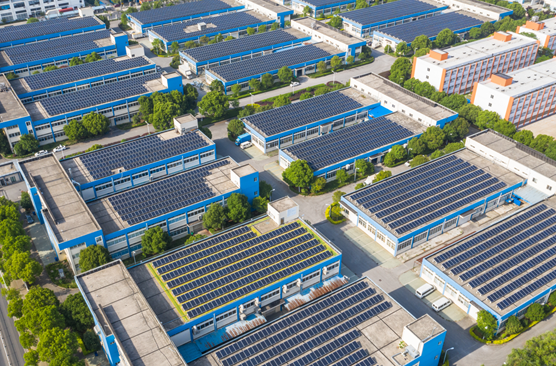
China’s approach, Liu noted, centers on a massive expansion of renewable capacity. By the end of 2023, renewable energy accounted for over 50 percent of China’s total power generation capacity, a landmark achievement that has enhanced energy independence while reducing carbon emissions. This shift has not compromised growth; China maintained robust economic expansion while cutting energy intensity by more than 26 percent over the past decade.
Looking ahead, Liu urged strengthened international cooperation. "As a developing nation, China stands ready to deepen collaboration with international bodies and developed countries, exploring new models of bilateral, trilateral, and multilateral partnerships," he said. A key focus will be assisting Global South nations in their transition journeys, supporting them to achieve sustainable development goals.
Liu further called for differentiated responsibilities, urging industrialized nations to lead by example and achieve carbon neutrality by 2040, creating space for developing economies to grow sustainably. He added that the next five years represent a "critical window" to curb global warming and stabilize energy markets, requiring accelerated action and innovation.
The forum’s discussions align with China’s active role in global climate governance. Beijing has already established 50 climate cooperation memorandums with 41 developing countries, implementing over 70 projects focused on clean energy and low-carbon technology transfer. As Liu affirmed, China’s experience proves that energy security and climate action are not competing priorities but mutually reinforcing objectives for a stable, prosperous future.