Shanghai Advances Pet-Friendly City Construction
With the rapid rise of the pet economy, promoting the construction of pet-friendly cities has become an important part of urban governance. In recent years, Shanghai has made active arrangements, systematically integrating pet needs into its urban development framework from parks and green spaces to commercial spaces, and from public services to consumption scenarios, fostering a vibrant “pet economy” ecosystem.
This not only responds to people’s growing demand for pet ownership but also reflects the refinement of urban governance, serving as a powerful driver to stimulate local consumption and cultivate new economic growth points.
Promoting pet-friendly city construction can effectively stimulate the offline consumption potential of pet owners, expand diversified consumption scenarios and activate the vitality of commercial entities.
For instance, Shanghai has continuously built pet-friendly parks such as Huangpu Square Park and Changning Haisu Park, and created dedicated pet areas in places like Huanshang Park and Yanbei Park. Meanwhile, it has equipped parks and squares with supporting pet consumption stores, addressing the basic needs of pet owners, providing convenient consumption experiences, increasing consumption frequency, and forming a composite consumption model of “pet socialization + family leisure + peripheral consumption.”
This has expanded the original single pet-walking activity into a continuous consumption chain, realizing the upgrading from functional consumption to experiential consumption and injecting new vitality into physical commerce.
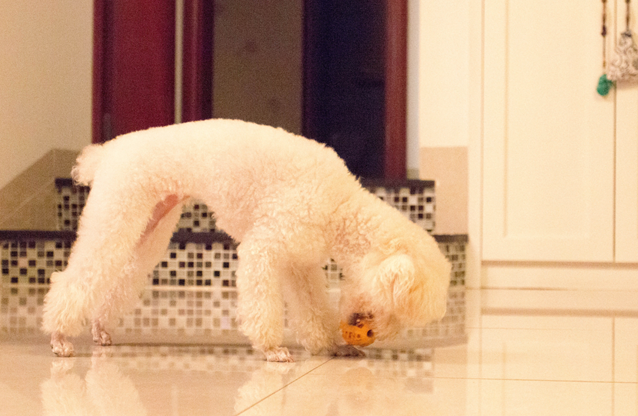
The advancement of pet-friendliness has also spawned segmented markets for pet products and services, driving the industrial chain toward high-end and professional development. Data shows that by 2025, the number of pets (dogs and cats) in China had reached 126 million, and the urban pet (dogs and cats) consumption market scale hit 312.6 billion yuan, expected to exceed 400 billion yuan by 2028.
Against this backdrop, launching pet-friendly services and making sustained efforts in transportation, accommodation, retail and other fields are expected to unlock new consumption growth points. Services such as high-speed rail pet transportation and pet-friendly hotels have addressed the pain point of “traveling with pets” and opened up a “new blue ocean” for pet services.
The continuous development of pet-friendliness is even more a reflection of refined urban governance and contemporary humanistic care. Shanghai has implemented models such as “one park, one policy” and “flexible management.” For example, Gubei Civic Park has resolved conflicts between people and pets through an “off-peak sharing” mechanism, and Huangpu Square Park has clarified access standards for small dogs.
These innovative governance measures have not only built an urban environment where people and pets coexist harmoniously and fostered an inclusive urban culture but also reflected the refinement of urban management, enhancing citizens’ sense of belonging and satisfaction.
Shanghai’s experience shows that pet-friendliness cannot rely solely on individual breakthroughs but requires systematic planning and multi-party collaboration. Government departments need to clarify standards and boundaries, protect the rights and interests of pet owners while regulating pet-keeping behaviors, formulate norms for pets entering parks and stores, and avoid “one-size-fits-all” restrictions.
At the same time, they should encourage commercial institutions to participate in the construction of pet-friendly facilities and promote public places such as shopping malls and scenic spots to equip pet facilities. Strengthening publicity and education on civilized pet-keeping is also essential to improve public literacy, guide pet owners to fulfill their responsibilities, reduce social disputes, and lay a social foundation for the harmonious coexistence of people and pets.
热门内容推荐