Zhungeer Banner in Inner Mongolia Transforms from Coal Base to Green Development Model
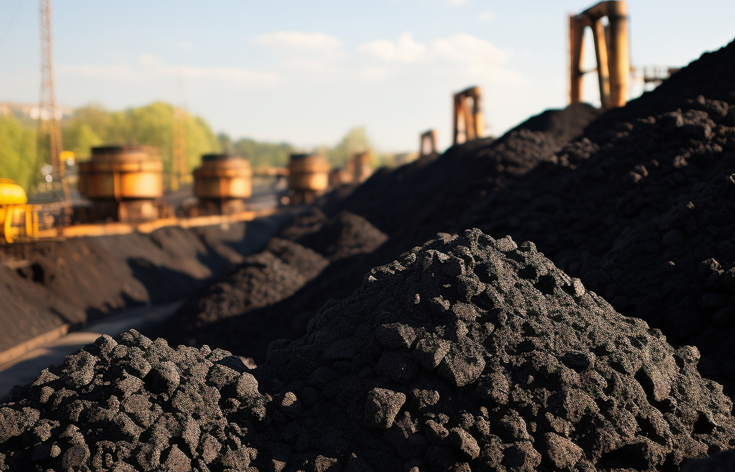
Located on the banks of the Yellow River, Zhungeer Banner in Ordos City, Inner Mongolia Autonomous Region, boasts abundant coal resources. With a permanent population of less than 400,000, it is the largest coal-producing county in China, with proven coal reserves of 58.2 billion tons and prospective reserves exceeding 100 billion tons, serving as an important national coal energy supply base.
In recent years, to address the ecological challenges associated with coal mining, the local area has accelerated the construction of green mines and actively taken the path of green transformation and development, depicting a new picture of high-quality development.
Narisong Town in Zhungeer Banner, home to 54 coal mines, has solid momentum for development. Since 2019, the town has launched a comprehensive ecological restoration initiative, striving to integrate ecological protection with economic development. Up to now, 14 green mines have been built among the 38 coal mines meeting construction standards in the town.
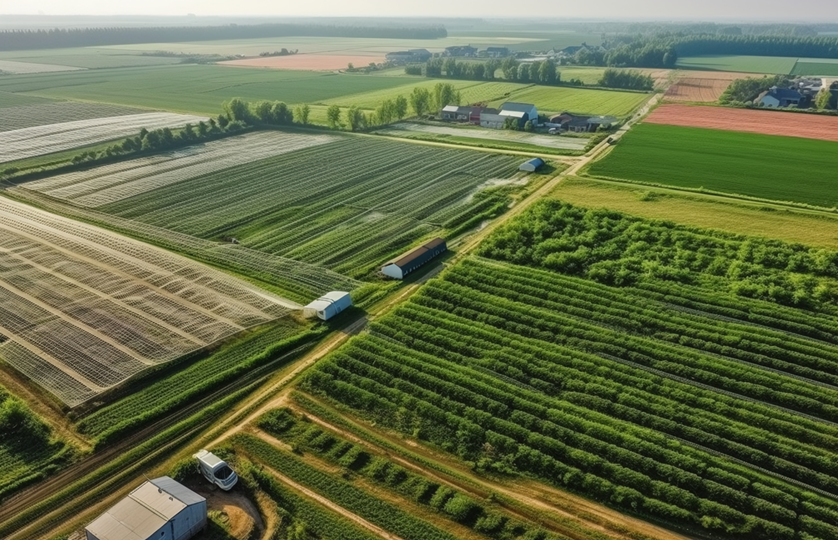
In the reclaimed area of Shigetutu Coal Mine, the former mine pits have been transformed into high-quality agricultural land through soil covering and improvement, with contiguous Chinese medicinal herbs such as Isatidis Radix and Saposhnikoviae Radix replacing the once barren pits. The ecological environment has been significantly improved, with clear skies and white clouds becoming a common sight, and local residents have gained stable employment opportunities in the medicinal herb bases, boosting their income and living standards.
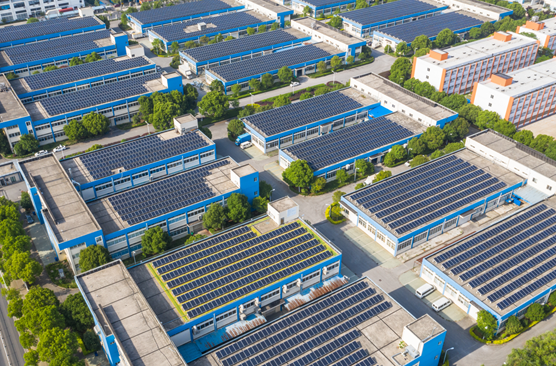
In the reclaimed area of Changxu Coal Mine, blue photovoltaic panels of a new energy project stretch across the backfilled coal mining area, forming a "green energy factory". With an installed capacity of 400 megawatts, the project generates 740 million kilowatt-hours of green electricity annually, which can produce 10,000 tons of green hydrogen to supply clean fuel for surrounding heavy-duty trucks. It reduces carbon dioxide emissions by 600,000 tons each year, equivalent to planting 3.3 million trees, exploring a viable path of energy revolution for resource-based areas.
The construction of green mines has brought tangible benefits to the people, activating the vitality of high-quality rural development and enabling residents to share the fruits of ecological transformation. In some villages, the collective economic income exceeded 5 million yuan last year, and villagers have achieved dual income through land transfer rents and employment in medicinal herb bases, attracting young people to return to their hometowns for development.
Adhering to the concept that "lucid waters and lush mountains are invaluable assets", Zhungeer Banner has transformed ecological challenges into green assets, shifting from resource dependence to diversified development. Local farmers have achieved "triple income increase" through land transfer, base employment and collective dividends.
To date, Zhungeer Banner has built 48 green mines, including 8 national-level and 40 autonomous region-level ones, ranking first in Inner Mongolia Autonomous Region. In addition, a national mine park has been constructed here, with more than 1 million seedlings planted and over 100 square kilometers of land reclaimed and greened. The ecological system has realized positive succession and benign circulation, laying a solid ecological foundation for industrial green transformation. Looking ahead, Zhungeer Banner is steadily advancing along the path of ecological priority and green development.
热门内容推荐