Alberta to Face Four Consecutive Years of Fiscal Deficits, with Oil Price Volatility as Key Factor
Alberta’s Finance Minister Nate Horner has stated that the Canadian province will run a fiscal deficit in the 2025/26 financial year, and the deficit will persist for the following three fiscal years, according to CBC News. As a core oil-producing province in Canada, Alberta’s fiscal situation is closely linked to the oil industry, with the prolonged deficit mainly driven by falling oil sector revenues.
Specific figures disclosed by Minister Horner show that the fiscal deficit is projected to reach C$4.1 billion (approximately US$3 billion) in 2025/26, widen to C$9.4 billion (around US$6.9 billion) in 2026/27, then gradually decline to C$7.6 billion (about US$5.56 billion) in 2027/28 and further to C$6.9 billion (roughly US$5.05 billion) in 2028/29.
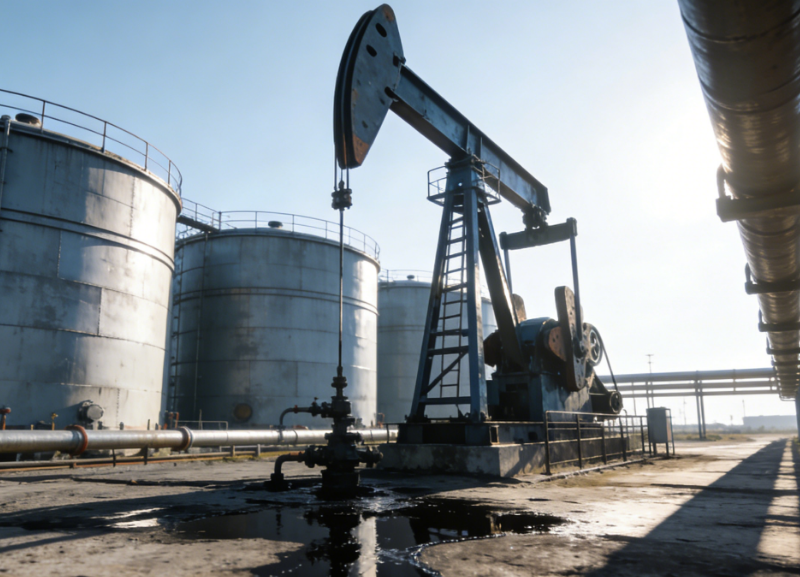
“For the government and Alberta, there are three key indicators: revenue, expenditure, and the fiscal deficit. I believe this will spark extensive discussions on the way forward,” Mr Horner said. The core cause of the deficit is the decline in oil sector revenues, while the provincial government plans to increase spending on key areas such as healthcare, education, and infrastructure, leading to an imbalance between revenue and expenditure. Alberta is rich in oil resources, with the oil industry long serving as the province’s economic pillar and main source of fiscal revenue; its oil exports are highly dependent on the US market, and industry fluctuations have a significant impact on local finances.
Notably, four consecutive years of deficits contradict a fiscal rule adopted by the province three years ago. The rule stipulates that the government can run deficits for a maximum of three years without special circumstances (such as an annual revenue drop exceeding C$1 billion). In response, Mr Horner explained: “Technically, we only violate the rule if there are three consecutive deficit figures in the annual reports, but this indicates that work is not yet complete.”
Mr Horner further noted that prolonged low international oil prices are the key factor behind the falling oil sector revenues. He stated that a C$1 drop in the price per barrel of oil leads to a C$680 million decrease in provincial fiscal revenue. In 2025, international crude oil mainly fluctuated between US$60 and US$80 per barrel, showing an overall volatile downward trend, which directly impacted Alberta’s oil-reliant finances.
However, the Alberta government is optimistic about future oil price trends, expecting prices to bottom out this year and start rising next year. If this expectation is met, it will help the province ease fiscal pressure and better address issues arising from population growth. The provincial government has budgeted an average price of US$60.50 per barrel for West Texas Intermediate (WTI) crude oil this year, while the current price has exceeded US$65 per barrel, providing an initial positive signal for improved fiscal revenue.
As an important part of Canada’s economy, Alberta’s fiscal situation is not only related to the province’s people’s livelihood and industrial development but also has a certain impact on Canada’s overall economic recovery. Currently, the province is facing the dual challenges of balancing revenue and expenditure and industrial transformation; whether it can improve its fiscal situation and adjust its expenditure structure by relying on rising oil prices remains to be seen.