Swiss Economy Gradually Recovers, Driven by Rising Consumer Demand
After a slowdown in economic activity at the start of the year, the Swiss economy is gradually regaining momentum, with both domestic and foreign demand picking up, boosting optimism about the economic outlook in the coming months. Rising consumer demand is the key driver of this recovery.
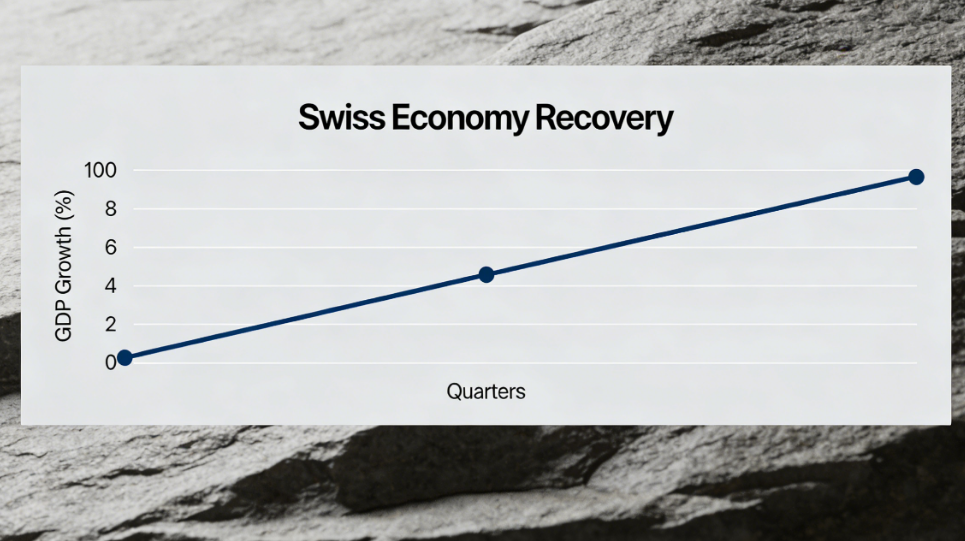
In February, the economic barometer released by the KOF Swiss Economic Institute at the Swiss Federal Institute of Technology Zurich (EPF) climbed to 104.2 points on Friday, up 0.9 points from the revised 103.3 points in the previous month. This figure, which exceeded economists’ expectations of a range between 102.5 and 103.1 points, was mainly attributed to increased consumer demand, both domestic and foreign, according to the KOF.
Notably, unlike the positive trend on the consumer side, indicators in Switzerland’s production sector were mixed. Manufacturing and construction indicators declined, with significant pressure in inventory accumulation and intermediate goods supply, acting as a drag on the current recovery.
However, positive prospects in the labour market and exports have boosted confidence, partly alleviating the weakness in the production sector.
Industry performance varied markedly. Metal processing and printing remained in a slump, facing considerable challenges. In contrast, the textile and electricity sectors saw signs of improved prospects, with recovery momentum gradually building.
Switzerland’s economy is highly export-reliant, with machinery manufacturing, chemicals and pharmaceuticals as its pillar industries. It previously faced pressure from tariff adjustments and exchange rate fluctuations.
The current consumer-driven recovery, combined with positive signals from employment and exports, is expected to strengthen the recovery momentum.
Nevertheless, the divergence in the production sector and the slump in some industries require attention; the sustainability of Switzerland’s economic recovery will depend on coordinated efforts across all sectors and changes in the external environment.