Ecuadorian Parliament Passes Mining Bill, Sparkling Controversy Over Galápagos Islands Development
Reporting from our correspondent — On Thursday, Ecuador’s National Assembly passed a mining bill proposed by the right-wing government led by President Daniel Noboa, with 77 votes in favour and 70 against. The bill aims to encourage investment in the mining sector across the country, while explicitly strengthening the supervision and regulation of mining activities to crack down on illegal mining. The government holds a majority in Ecuador’s unicameral parliament, and this statement has also become one of the core orientations of the bill.
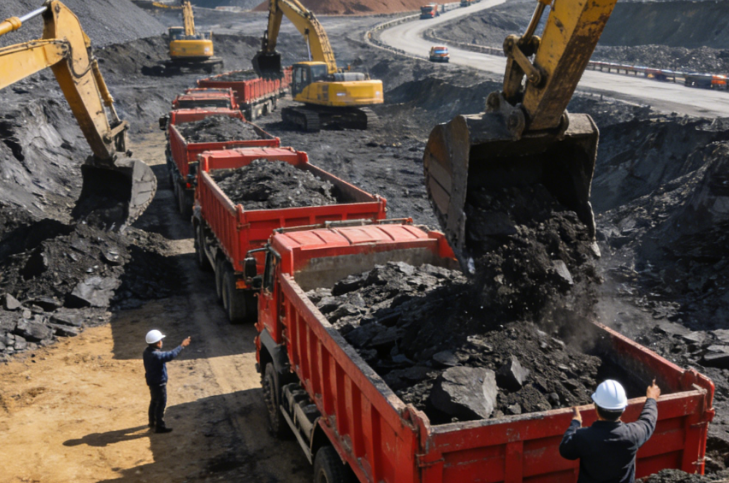
The passage of the bill has attracted widespread attention, with the core controversy lying in its permission for specific mining activities in parts of the Galápagos Islands. It is understood that the bill specifically approves the extraction of rock materials on the Galápagos Islands, which are approximately 1,000 kilometres from the equator, and clearly specifies that the mining areas are not within the scope of nature reserves.
The Galápagos Islands are a unique habitat for flora and fauna in the world, boasting rich biodiversity and a distinctive ecosystem. Not only are they a precious natural heritage shared by all humanity, but they also served as an important research site for the British naturalist Charles Darwin. His theory of evolution, proposed in the 19th century, benefited from in-depth observations and research on the species of the islands. The islands feature a variety of habitats, from coral reefs and highland forests to sand dunes and shrublands, nurturing a large number of endemic species including giant tortoises. Their ecological fragility also makes them a key area for global ecological protection.
The passage of the bill immediately drew doubts and protests from environmentalists, opposition parties and indigenous organisations. Opposition MP Veronica Iniguez expressed strong dissatisfaction, stating that "we will see how the Galápagos Islands will be developed into tourist attractions", and also voiced deep concerns about the future fate of the Amazon region and the highland areas — typical high-altitude wetland areas in the equatorial region.
Protest activities at the civil level also took place simultaneously. Approximately 300 people gathered near the Constitutional Court in Quito, the capital of Ecuador, to oppose the bill through peaceful demonstrations. Participants held placards such as "The land cannot be sold" to express their worries that mining development might damage the ecological environment.
As Ecuador’s largest indigenous organisation, CONAIE (Confederation of Indigenous Nationalities of Ecuador) clearly pointed out in a statement that the introduction of this law will lead to "weakened environmental protection efforts" and "increased risks of river pollution". It is understood that similar concerns are widespread among environmental organisations, and many critics believe that the adjustments to environmental control in the bill may weaken the protection of the ecology, especially the potential impact on fragile ecological areas, which deserves vigilance.
It is reported that the bill is an important part of Ecuador’s mining sector reform. The government hopes to simplify the mining investment process and attract private capital through relevant legislation to promote mining development and stabilise the national economy. Currently, the controversy surrounding the bill continues. How to strike a balance between promoting mining investment, protecting the ecological environment and safeguarding the rights and interests of indigenous peoples has become the focus of attention of all sectors of Ecuadorian society.