EU Plans Permanent Ban on Russian Oil Imports; Russia Condemns Strongly as Bilateral Tensions Escalate
Reporting from our correspondent — On Thursday, Russia issued a strong response to the EU's plan to permanently ban imports of its oil, condemning the proposal severely. In her statement, Russian Foreign Ministry Spokesperson Maria Zakharova stated outright that the proposal was absurd in the extreme, even suggesting that only "lunatics" would put forward such an idea. This rhetoric bears the distinct hallmark of the Kremlin — full of anger and hyperbole, targeting both European citizens and Brussels policymakers.
According to EU officials and a document seen by Reuters, the European Commission plans to submit a legislative proposal on 15 April aimed at making the ban on Russian oil imports permanently effective. Notably, the timing of this move is highly significant, falling exactly three days after the conclusion of Hungary's parliamentary elections. It is understood that Hungary has long maintained the most moderate stance on EU energy sanctions-related issues and has been largely negative towards such measures, leading to widespread speculation about the coincidence of this timing.
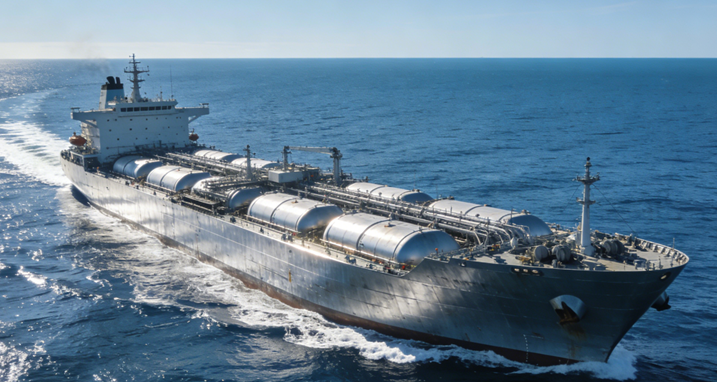
In fact, the proposed permanent ban on oil imports is only part of the EU's overall restrictive measures targeting Russia's energy sector. The European Commission has also proposed a comprehensive ban on maritime transport services that support Russian seaborne crude oil exports — a move that will go far beyond the currently implemented price cap mechanism. Under the existing framework, as long as the price of Russian crude oil is below the cap agreed by the G7 (currently around $44 per barrel), it can be transported using Western shipping and insurance services.
Analysts point out that a comprehensive ban on relevant maritime transport services would completely upend the current system for Russian crude oil exports. At present, more than one-third of Russia's oil exports still rely on Western tankers, many of which are linked to shipping hubs in Greece, Cyprus, Malta and other places, with the transported crude oil mainly sold to countries such as India and China. Once maritime transport services are cut off, the existing price cap mechanism will become meaningless, and Moscow will be forced to rely more heavily on its so-called "shadow fleet" to maintain oil exports.
It is reported that Russia's "shadow fleet" emerged against the backdrop of EU oil sanctions on Russia. Composed mainly of old tankers, it evades Western sanctions by turning off satellite transmitters and changing ship flags. It currently undertakes the majority of Russia's oil export transportation tasks, but its operating costs are high and it poses numerous safety risks.
EU Sanctions Envoy David O'Sullivan stated that Brussels is inclined to push forward the maritime embargo, but hopes to fully coordinate with other G7 member states before formally implementing the plan. Diplomatic sources indicate that US support is crucial for the advancement of the plan, but Washington's stance remains unclear. Previously, the United States has imposed asset freezes on Rosneft and Lukoil, but has not fully adopted the EU's broader joint action plan.
Currently, the game between the two sides in the energy field presents a stark contrast: Moscow has adopted a tough stance with fiery rhetoric in response to the EU's sanctions plan; while Brussels has adopted a strategy of gradual advancement and continuous escalation, constantly expanding the scope and intensity of energy restrictions on Russia. Industry insiders believe that this move may further exacerbate volatility in the global energy market and have a profound impact on energy cooperation between the two sides and relevant countries.