After the Milan-Cortina Winter Olympics, Evaluation Shows Positive Effects of Traffic Management Measures in Graubünden
Reportedly, after the conclusion of the Milan-Cortina Winter Olympics, the Swiss canton of Graubünden conducted a special evaluation of the traffic management measures implemented in the Lower Engadine region during the Games. The results showed that all measures achieved remarkable effects, effectively ensuring the smooth and orderly flow of traffic related to the Games, with the high utilization rate of public transport to the event-related areas being a prominent highlight.
In the evaluation, the Graubünden authorities clearly stated that they affirmed the effectiveness of the traffic management measures implemented this time, and were particularly pleased with the high utilization rate of public transport to Livigno and Bormio. It is reported that during the Games, more than 85% of the tourists traveling to these two areas chose to take public transport, which effectively reduced road traffic pressure.
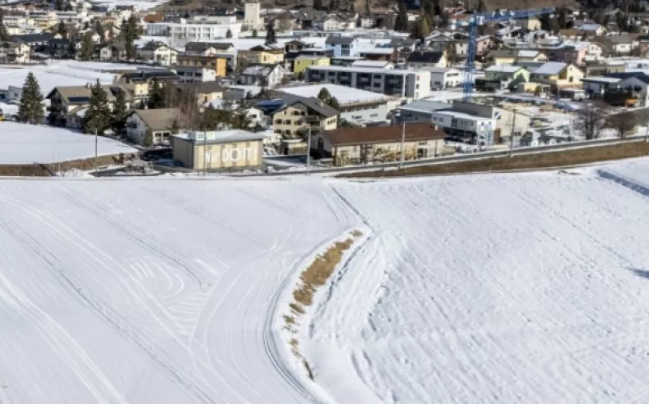
The Graubünden Police announced on Sunday that throughout the Olympic Games, there were no traffic jams on any of the roads leading to the competition venues. Even in the southern valley areas of the canton, especially the Poschiavo Valley, the additional traffic flow generated by the Winter Olympics was effectively and orderly controlled, without causing significant impact on local traffic.
In terms of traffic support, Compagnia Autotrasportiva Pedemontana (CAP) and other partners jointly provided shuttle bus services, transporting a total of nearly 41,000 passengers, mainly traveling between Zeneggen and Mustair in the Grisons region and Livigno in Italy, providing convenient support for tourists' travel. At the same time, the police revealed that the actual number of tourists during the Games was lower than expected by the Italian organizers, only 70% of the expected number, which also alleviated the traffic support pressure to a certain extent.
It is worth noting that the use of the transfer parking lots set up during the Games was relatively limited. Data shows that throughout the Games, a total of only 1,192 vehicles were registered in transfer parking lots such as Zeneggen, most of which were vehicles of foreign tourists. The registered license plates were mainly from Poland, the Czech Republic, Germany, Austria and other countries.
Overall, the traffic management measures implemented by Graubünden during the Milan-Cortina Winter Olympics effectively achieved the orderly connection between event traffic and daily traffic. The efficient use of public transport became a major highlight of traffic support, and the low utilization rate of transfer parking lots also provided a reference direction for traffic support work in future large-scale events.